

Animal RFID Tags for Reliable Animal Identification & Tracking
Paper registers and faded ear notches slow a herd down. Switch Your Tags works as an RFID solutions provider for livestock owners, distributors and retailers who need dependable RFID animal tag readers and compatible tags. This page explains the main tag formats, how readers fit in, and what to check before you order. Think of it as a practical buying guide.
What Are RFID Animal Tags?
Buyers often ask what is RFID animal tag and whether it suits their operation. In plain terms, it is a small electronic identifier fixed to an animal or implanted under its skin. Inside sits a chip with a unique number. A reader collects that number wirelessly, so nobody has to see the printed code. It sits within wider animal identification technology that replaces handwritten records.
How Do Animal RFID Tags Work?
Radio frequency identification for animals needs three parts. The tag holds a chip and an antenna, the reader sends a radio signal, and software stores what comes back. Passive tags use the reader's signal for power, so they carry no battery. Hold the reader close, wait for the beep, and the RFID tag identification appears on screen in a moment.
Benefits of Using RFID Animal Tags
Scanning beats squinting at numbers. Handlers read tags faster and make fewer typing mistakes. Each ID can link to vaccine dates, weights and breeding notes, which keeps animal data management tidy. Vets also see a sick animal's history in seconds. Many regions require unique identification for animal movement, and electronic livestock tags help meet those rules. Paperwork stops piling up.
Types of Animal RFID Tags and Their Applications
Tag choice starts with the animal, not the catalogue. Cattle need rugged ear tags, small animals may need an implant, and busy handling areas may need longer read range. Anyone sourcing animal tag RFID products should sort needs by species, environment and reader before comparing prices. The groups below cover ear tags, glass tags with a syringe and matching readers.
RFID Tags for Livestock and Farm Animals
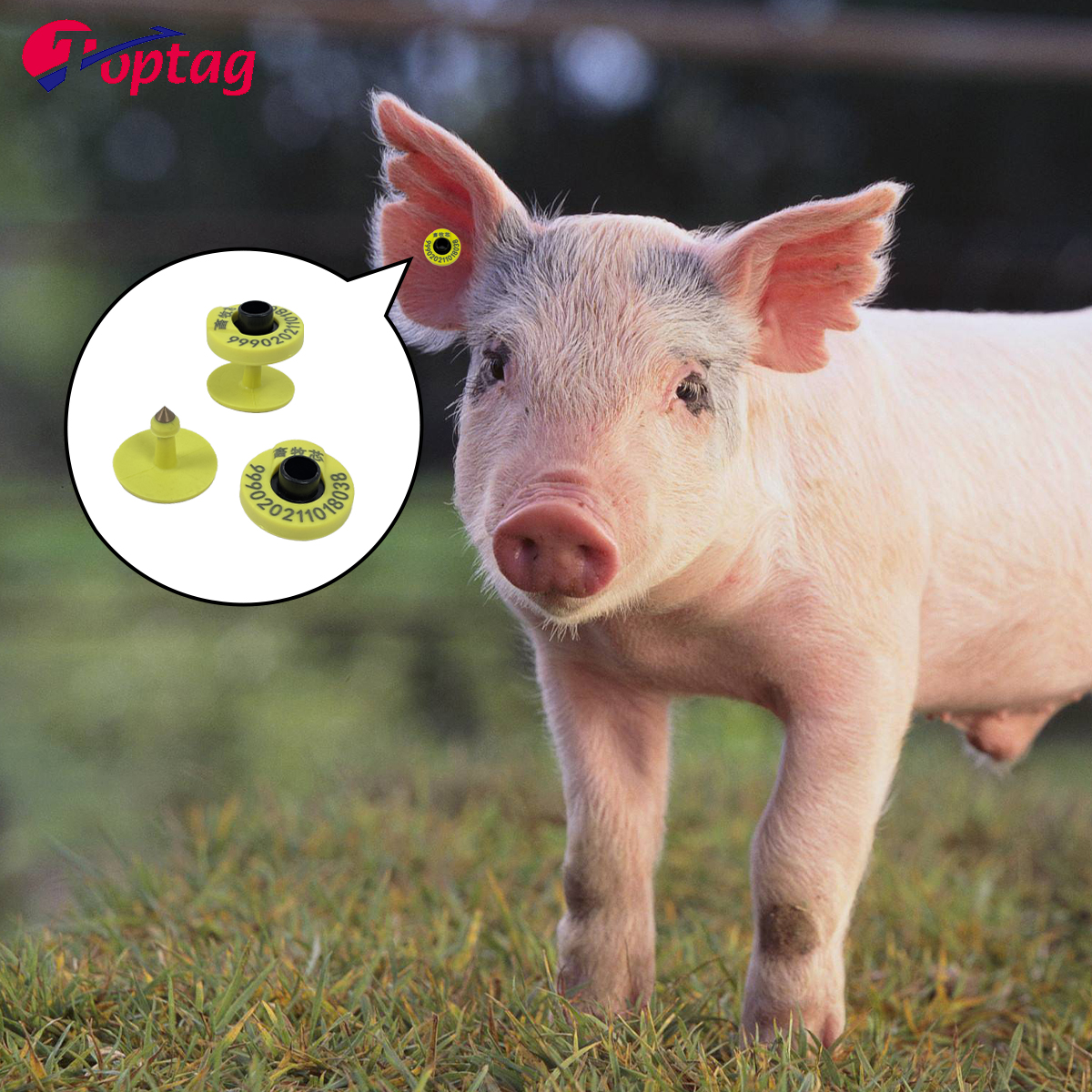
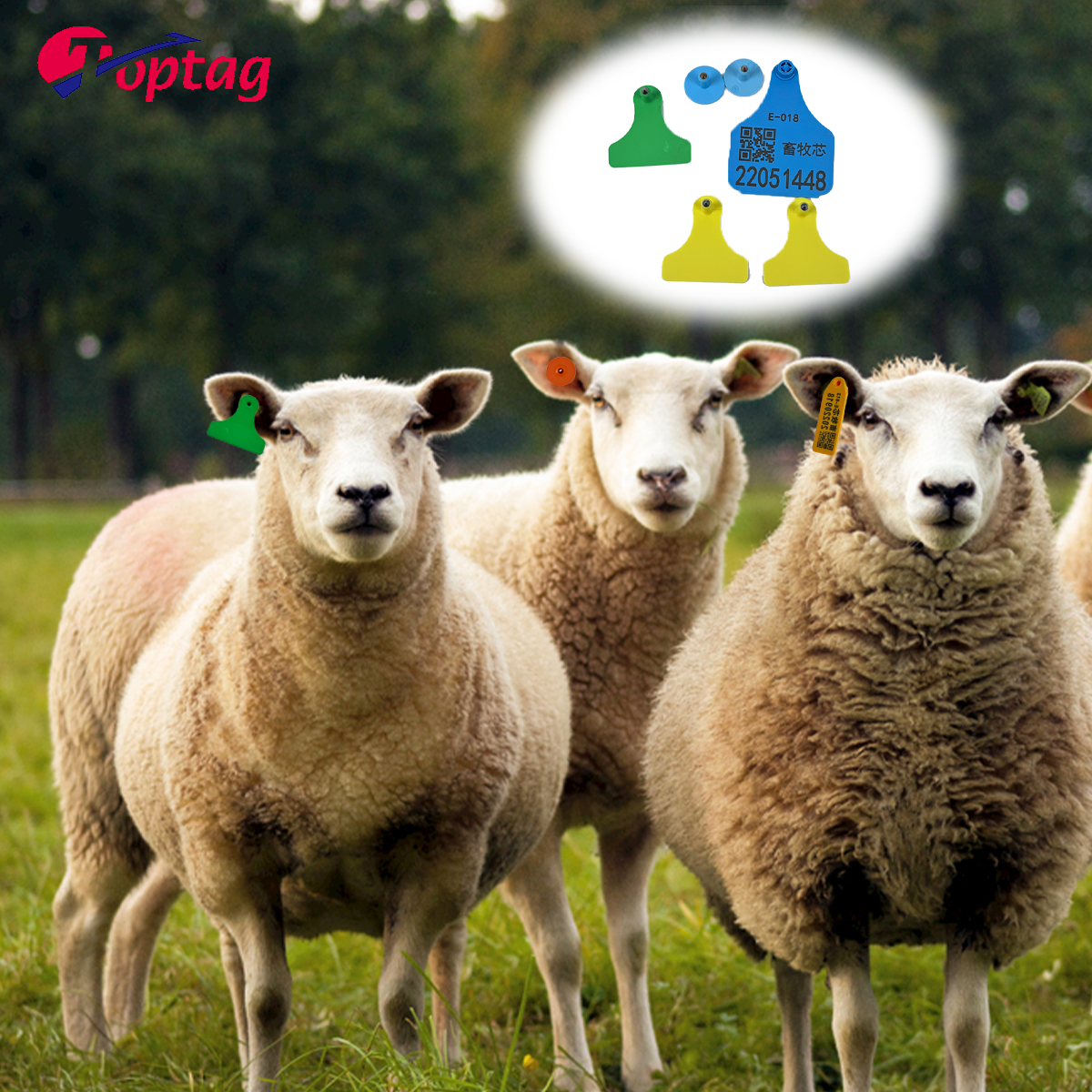
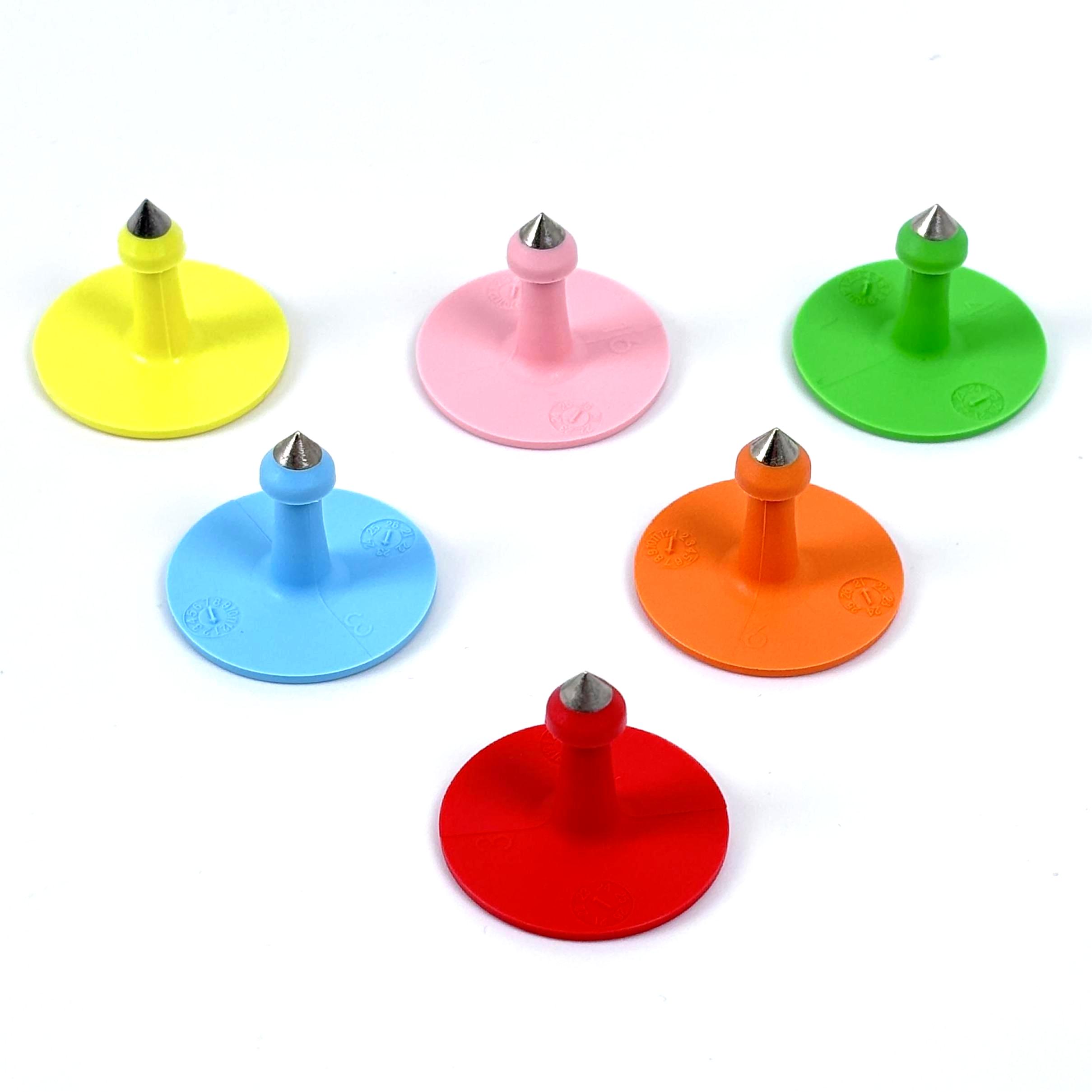
Most livestock RFID tags come as ear tags. Round ear tags use a TPU coated body and are offered with low frequency or UHF chips. Spade shaped ear tags suit UHF reading over longer distances. A plain ear tag without a chip is also available for visual marking. These RFID ear tags for animals should match your species and the readers on your farm.
Choosing the Right Animal Tag RFID Solution
Run each product through the same checklist.
- Tag format means ear tag or glass implant.
- RFID frequency indicates low frequency, high frequency or UHF.
- Read range should fit your handling point.
- Environmental durability covers sun, rain and dust.
- Animal suitability links tag size to species.
- Reader compatibility needs matching frequency and protocol.
Confirm every point before placing an animal tag RFID order.
RFID Animal Tag Reader – How to Choose the Right Reader
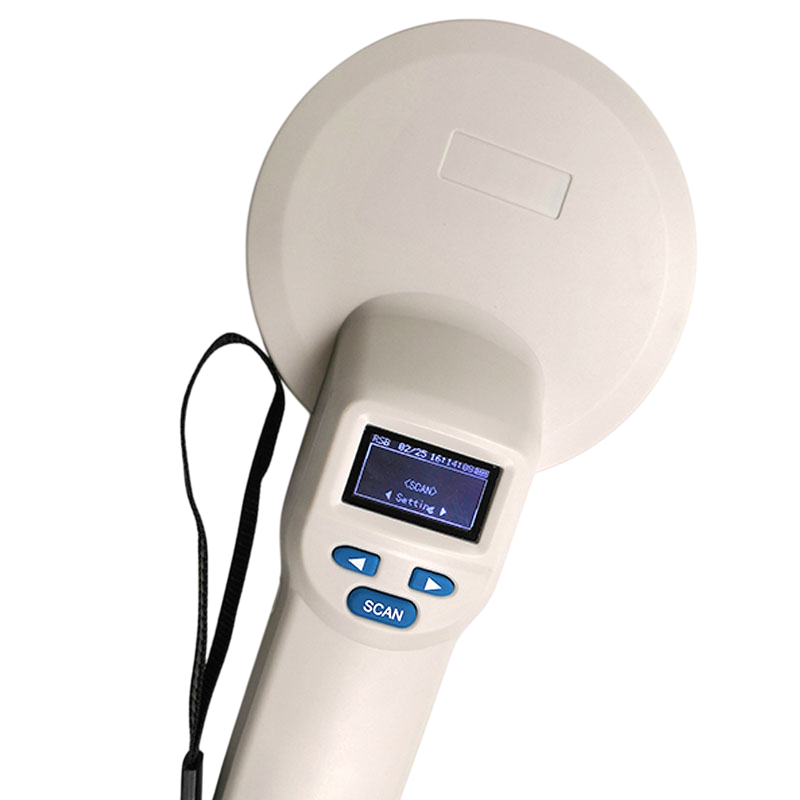
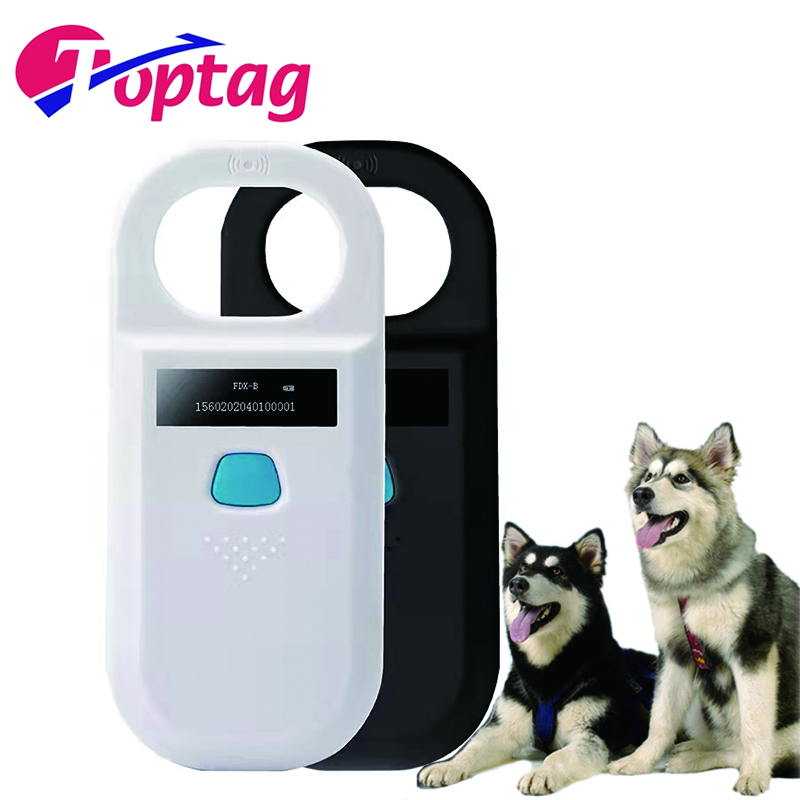
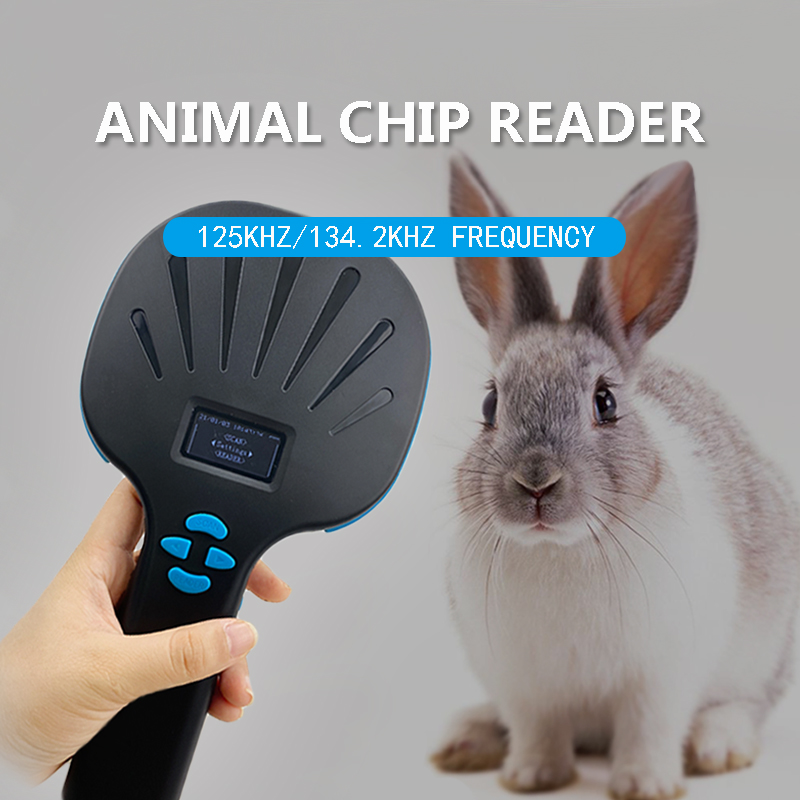
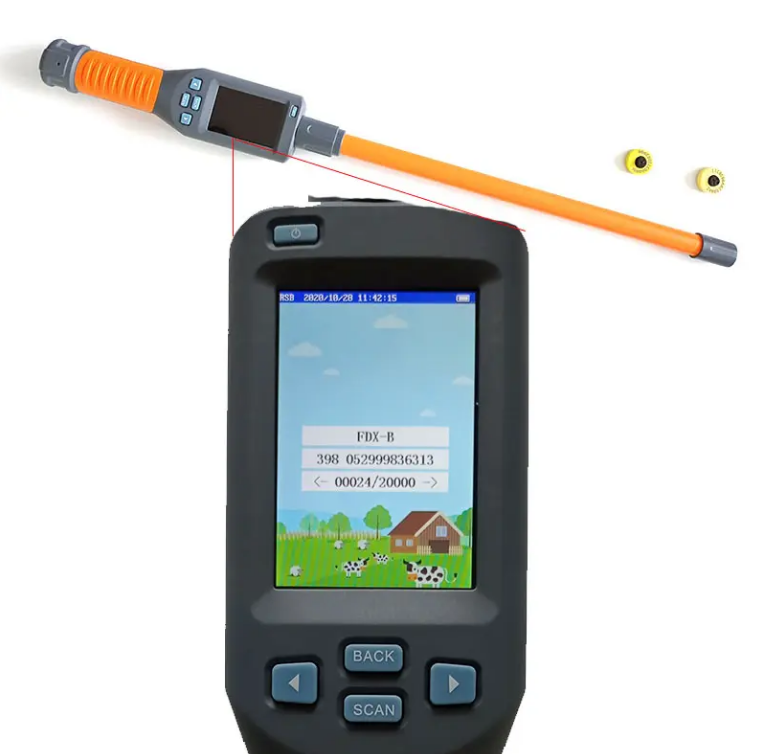
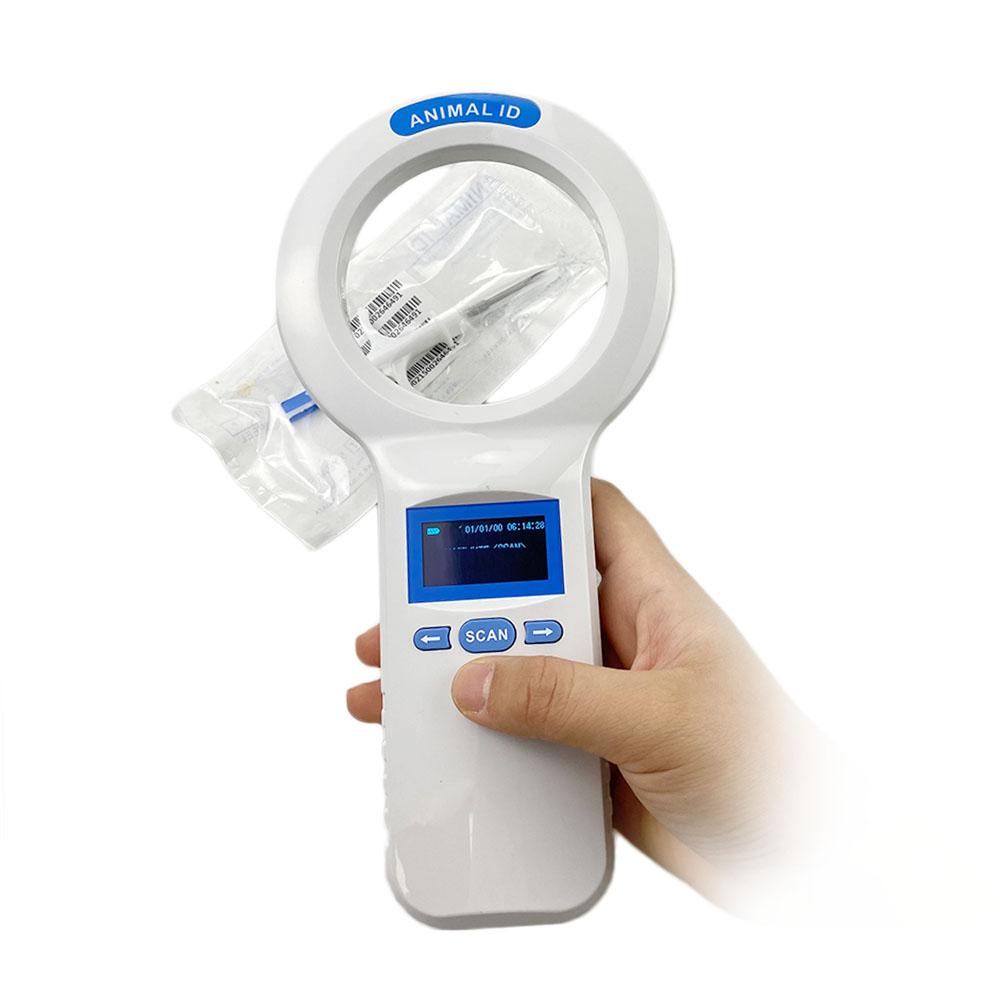
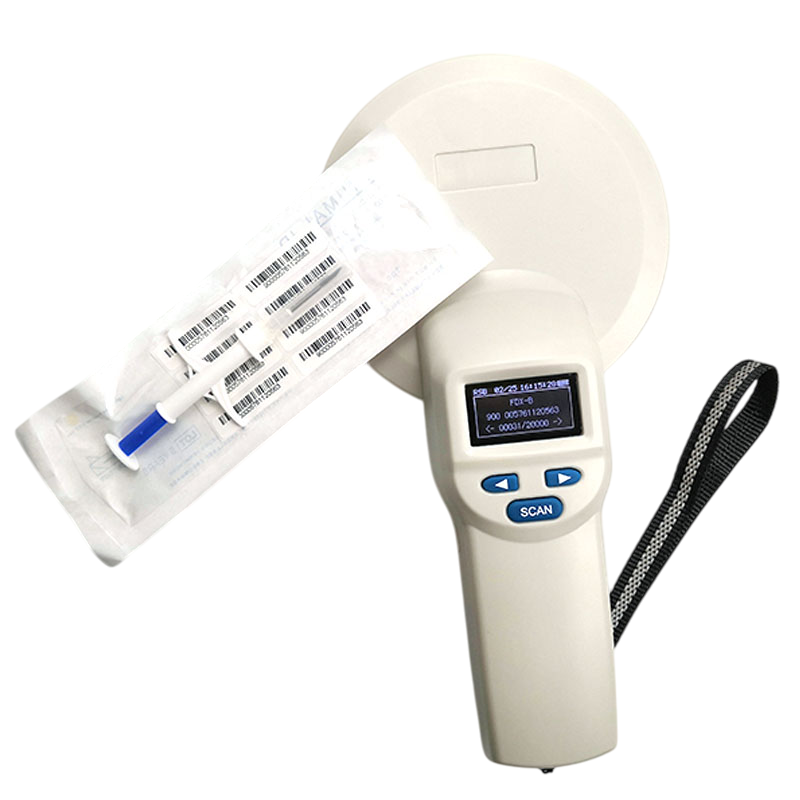
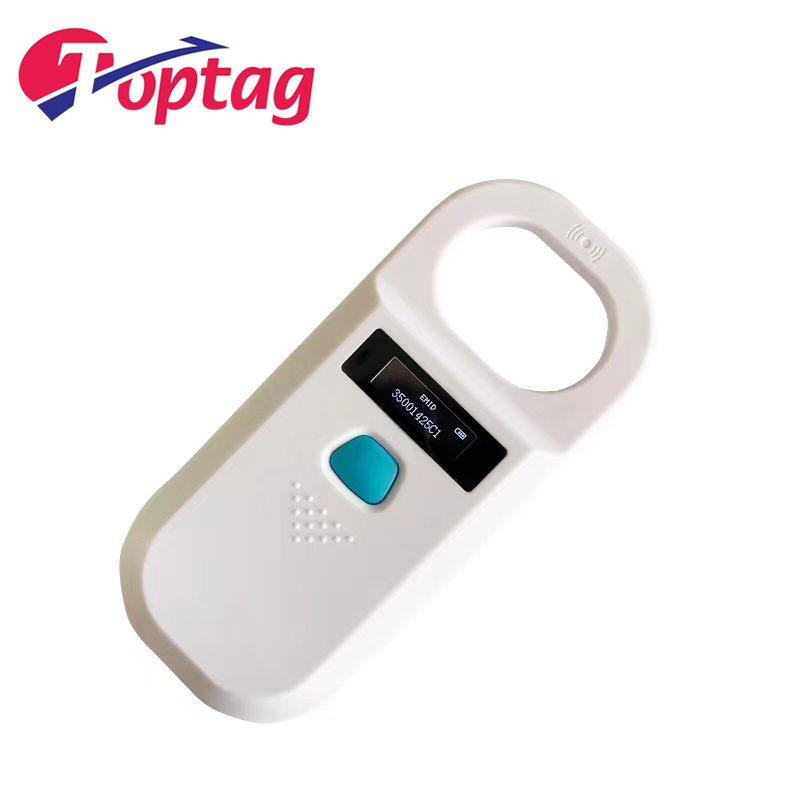
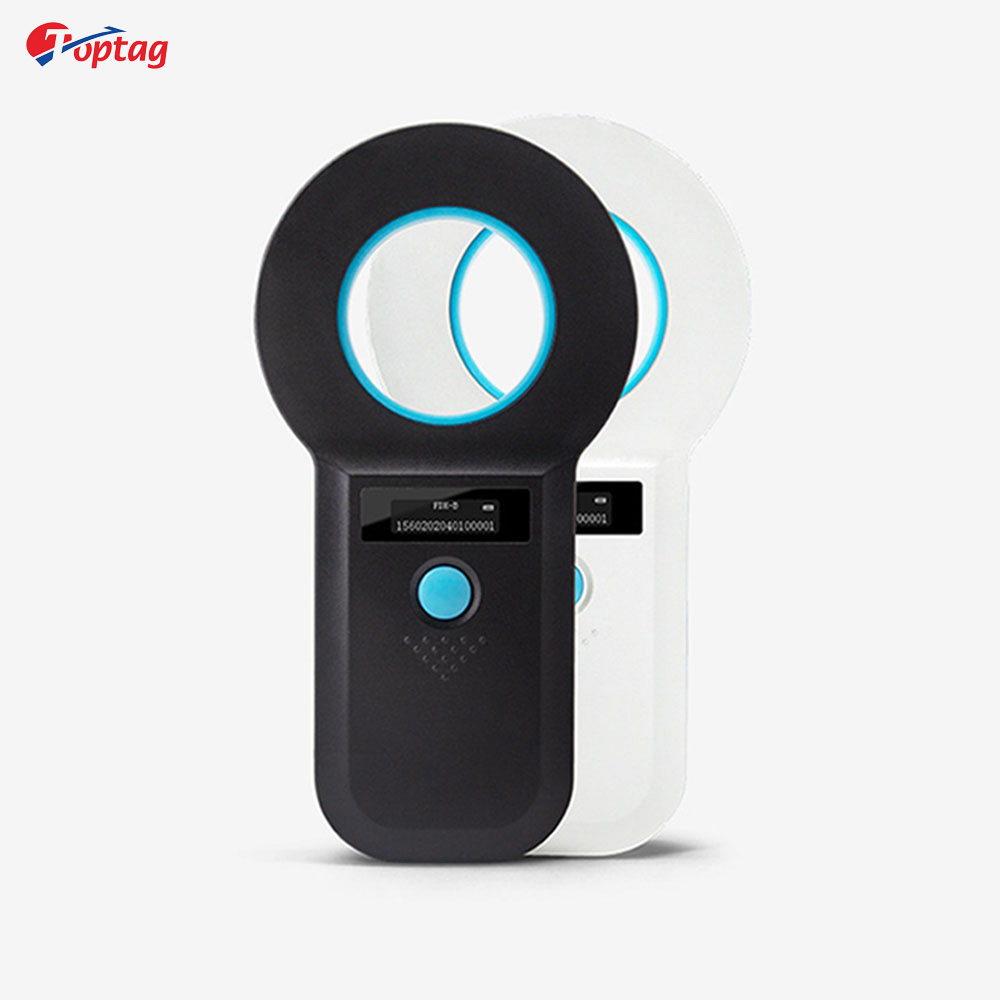
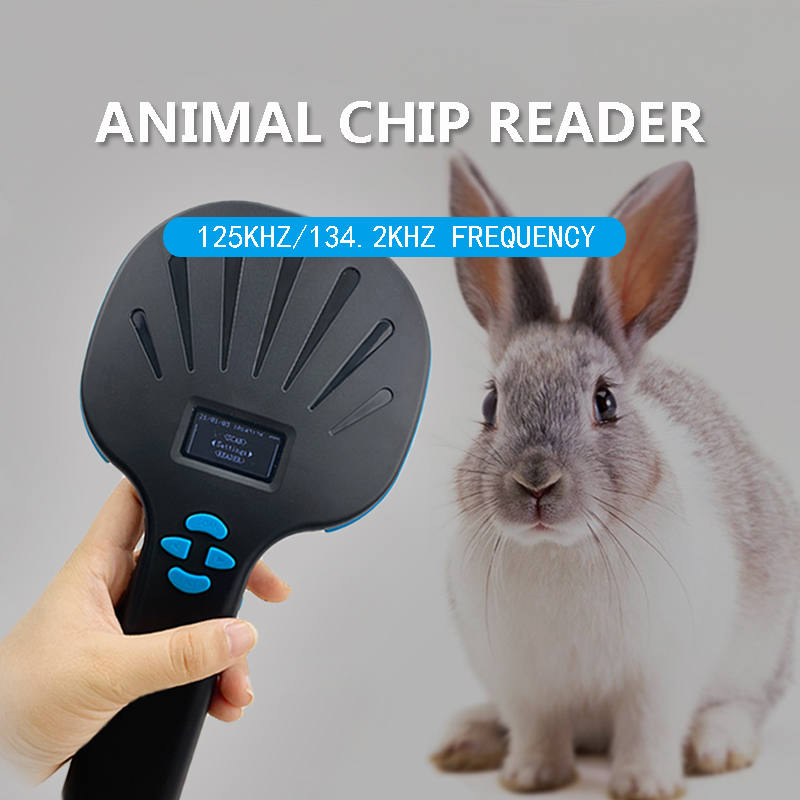
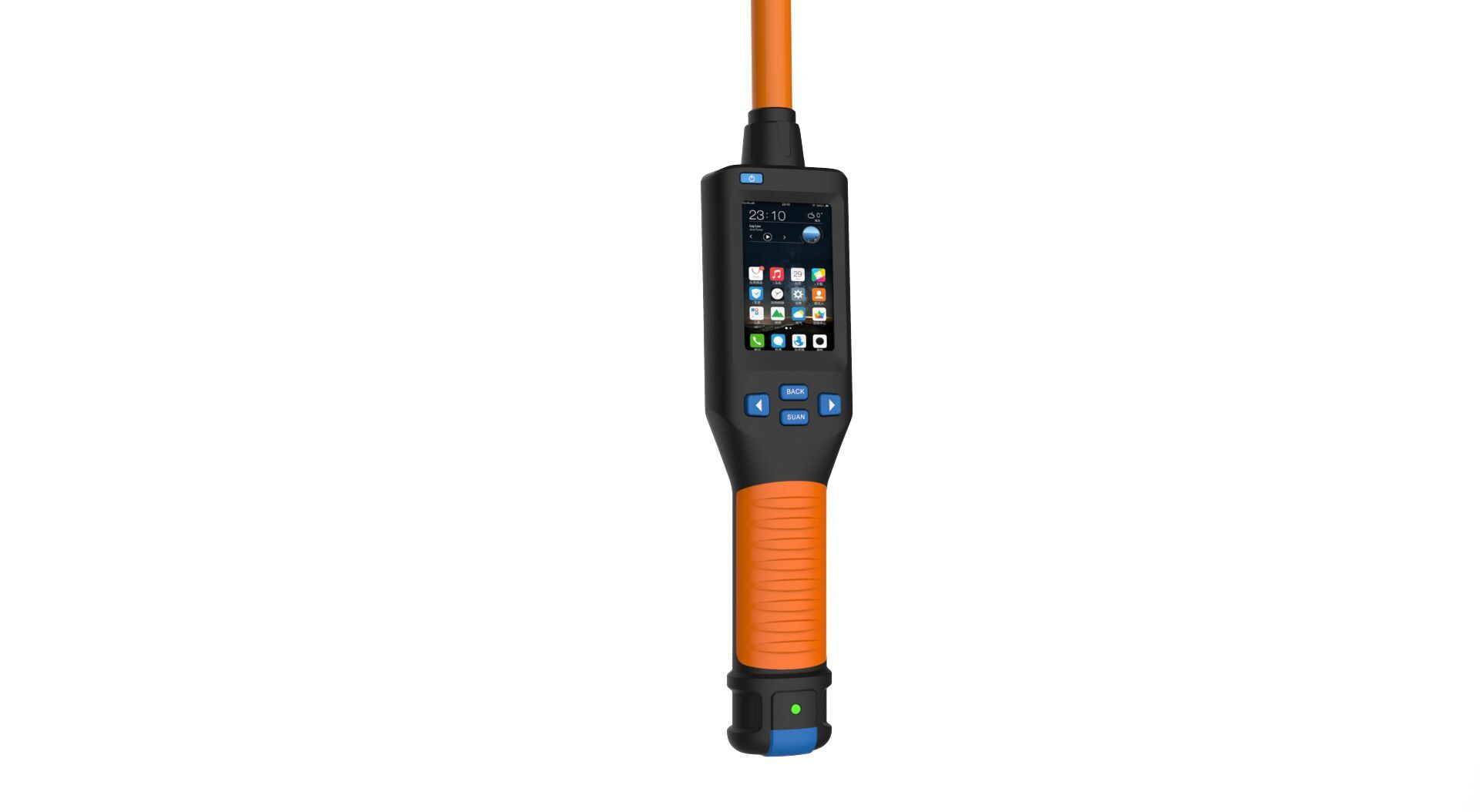
An RFID animal tag reader has to suit your tags, so check these points first.
- Supported frequency, often 134.2 kHz for low frequency tags.
- RFID standard, such as FDX-B under ISO 11784 and 11785.
- Reading distance, which differs between glass tags and ear tags.
- Connectivity through USB, Bluetooth or Type-C.
- Portability, covering stick readers and handheld units.
- Software integration, so scans flow into your animal data management records.
Applications of Animal RFID Tags Across Different Industries
Animal identification runs through every stage of production, starting with the first scan at birth and continuing to the sale ring. A dependable livestock traceability system begins with one unique ID per animal and consistent scanning at each handling point. The sections below show where RFID tags earn their place on busy commercial farms, in clinics and in family homes.
Livestock Identification and Herd Management
RFID livestock identification gives each animal a permanent record in the herd book. Handlers scan animals at the race, then sort them by age, weight or treatment status. Mixed herds benefit most, because nobody hunts for a faded number. Scanning stays quick even in a busy race. Over time, movement history shows which paddocks and feeding plans suit the herd best.
Animal Health Records and Traceability
Electronic livestock tags let a vet pull up treatment history without flipping through binders. Vaccination dates, withdrawal periods and test results stay tied to the right animal. If a disease flag appears, movement records help you trace which animals shared a pen or truck. Rules differ by country, so confirm local identification requirements before you buy. Audits move faster too.
Farm Inventory and Breeding Management
An RFID tagging system for livestock doubles as an inventory count. Scan a pen and the reader logs the headcount at once. Breeders can attach service dates, calving or lambing events and pedigree notes to each ID. These animal tracking tags help flag which females need attention, so you stop walking the whole paddock. Breeding calendars get easier to run.
Pet Identification and Veterinary Applications
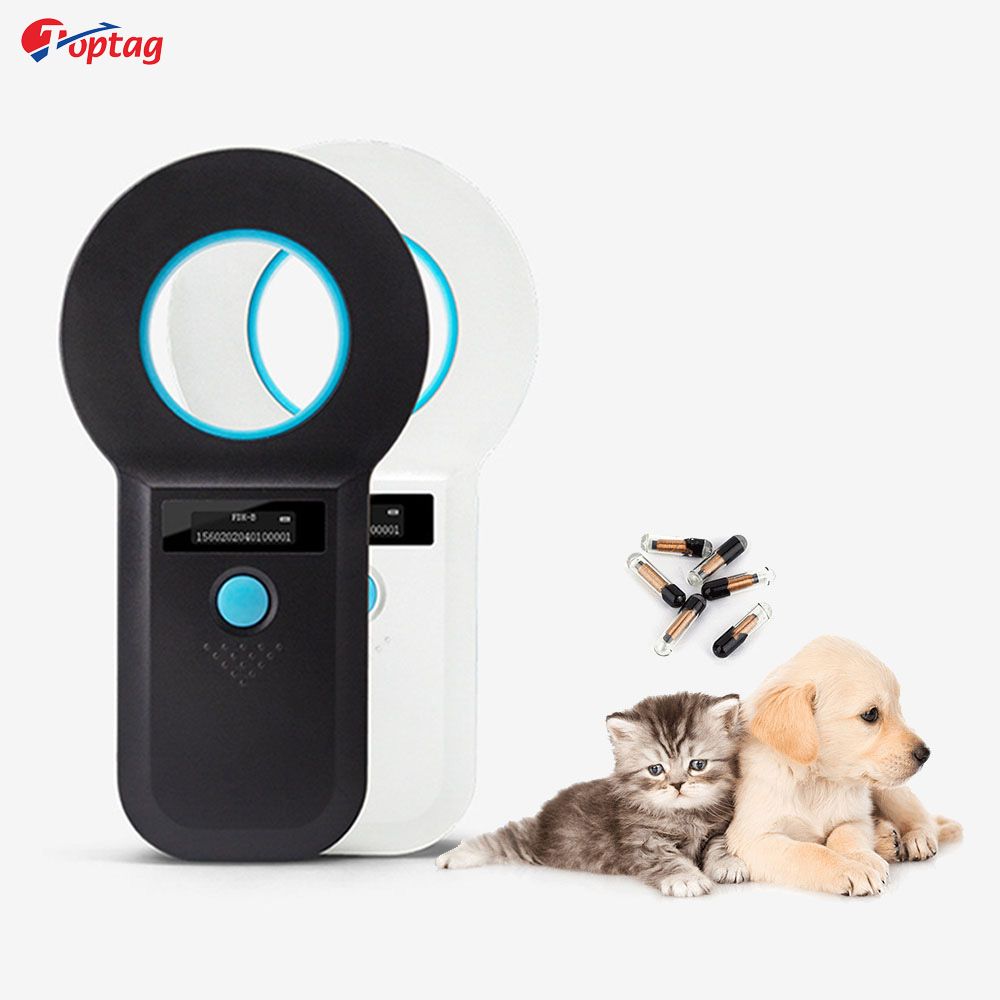
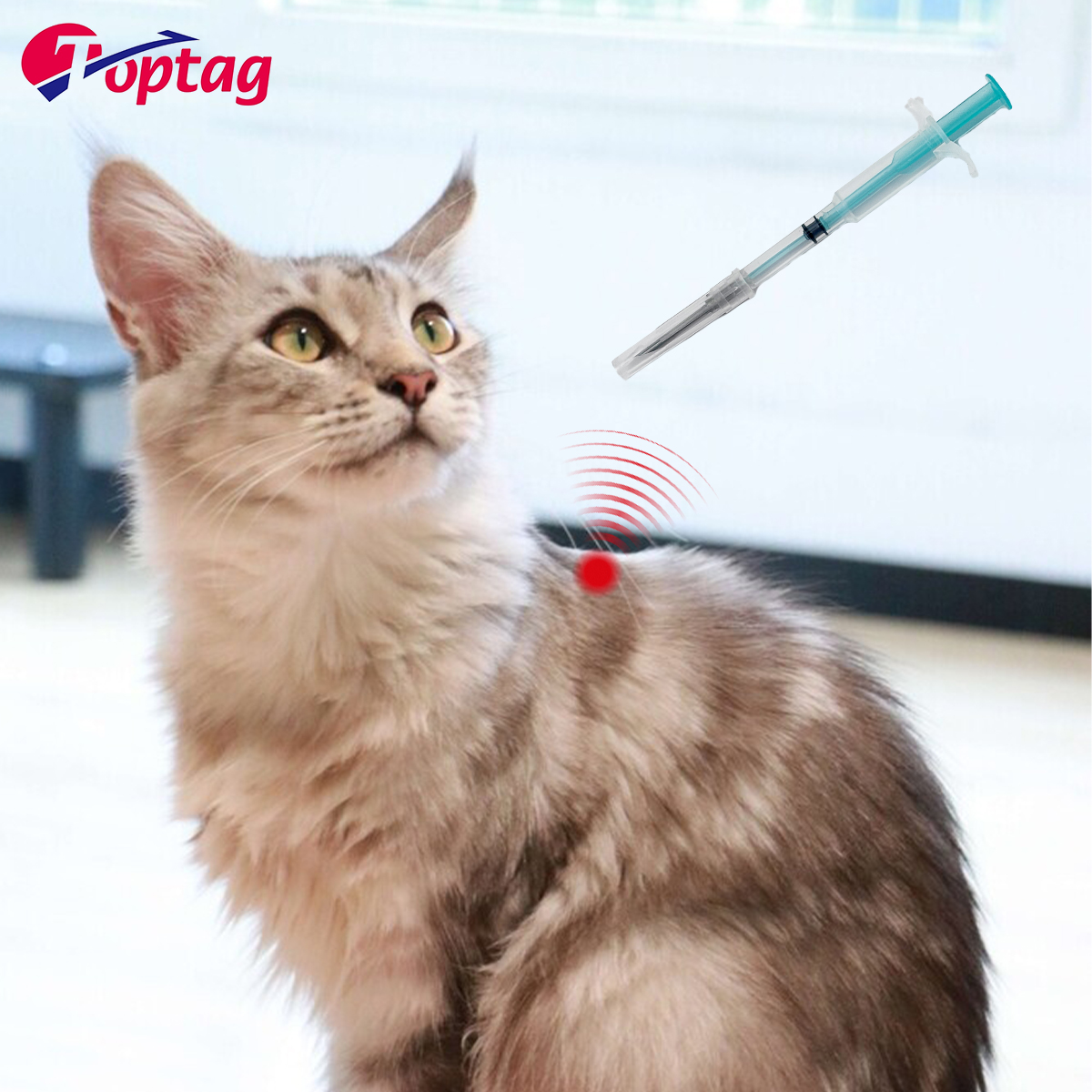
Pet owners often search for what is RFID animal tag before a vet visit. A glass tag placed with a prefilled syringe stores an ID number that vets read with a close range scanner. Clinics and shelters use that number to match lost pets with owners. It is digital animal identification that stays with the animal. Owners should keep contact details current.
Explore Different Types of Animal RFID Tags
Each format has a job. Ear tags handle daily farm work, glass tags suit pets and small animals, and tag type changes how a reader behaves. Buyers comparing RFID tag identification options should check frequency first, since low frequency, high frequency and UHF tags do not mix. Get that wrong and nothing scans. The four groups below show what each one does best.
RFID Ear Tags for Livestock
RFID ear tags for animals remain the everyday choice on farms. The tag fastens to the ear and carries its chip in a molded body. Round versions suit low frequency or UHF setups, and spade shaped versions suit UHF readers. Listed UHF read distances reach roughly three to five meters, though real results depend on the reader and surroundings. Test first.
RFID Tags for Cattle, Sheep and Goats
Cattle RFID tags face mud, rubbing and weather, so choose a sturdy ear tag and confirm your reader supports its frequency. Larger animals usually carry larger tags. Sheep and goat RFID tags need a lighter, smaller build because the ears are smaller. Check weight and shape, then trial a few tags on a small group before ordering for the whole flock.
RFID Tags for Pet and Companion Animal Identification
Companion animals use implants rather than ear tags. A small glass tag sits under the skin and needs no battery. Because the signal is short, it calls for a close range reader, usually a handheld or stick model. Clinics also rely on these animal identification tags to confirm a patient before treatment. Check that the pack lists medical grade glass and a sterile syringe.
Passive and Active RFID Animal Tags
Passive tags carry no battery and wake only when a reader is nearby, which keeps them small. Active tags have their own power source and transmit by themselves, giving longer range at a higher cost. Most herd work uses passive animal tracking tags, while active tags suit special projects with dedicated infrastructure. Look, passive tags suit most farms unless range is the priority.
Why Choose Switch Your Tags for Animal RFID Tags?
As an RFID solutions provider, we help buyers match tags and readers to the animals and conditions they handle. Our team can discuss ear tags, glass tags with a syringe and compatible readers, and advise on frequency and protocol fit. Good animal identification technology should be simple for your staff to use.
Contact us with your species, quantities and reader model to request a quote.
Frequently Asked Questions About Animal RFID Tags
1. What Is an RFID Animal Tag?
It is a small electronic identifier worn on the ear or implanted. Its unique number supports digital animal identification, and many livestock RFID tags print it too.
2. How Do Animal RFID Tags Work?
A reader sends a signal and the tag replies with its number. That is radio frequency identification for animals.
3. What Types of Animals Can Use RFID Tags?
Ear tags suit cattle, sheep, goats and pigs, so cattle RFID tags need tough housing. Flocks use lighter sheep and goat RFID tags.
4. Which RFID Animal Tag Reader Do I Need?
Match it to your tags. Animal identification tags must support their frequency and protocol, such as FDX-B at 134.2 kHz. Stick and handheld models suit chutes and clinics. Send us your tag details and we can suggest compatible models.
5. Can RFID Animal Tags Track an Animal's Real-Time Location?
No. Passive tags only log where an animal was scanned, which RFID livestock identification at gates handles well.
6. How Much Do Animal RFID Tags Cost?
Price depends on tag type and quantity. Share your needs for an animal tag RFID quote on an RFID tagging system for livestock or a livestock traceability system.