

RFID Cards & Keyfobs for Secure Access Control Solutions
Plenty of people carry contactless cards, and plenty wonder who else could read them. An RFID blocking card protector is one simple answer. Access cards and key fobs do the opposite job, because they exist to be read. Product names vary wildly, and a wallet defender listing can mean almost anything. Switch Your Tags is a supplier, so this page sorts out the differences and helps shoppers and business buyers choose with fewer surprises.
What Are RFID Blocking Cards and How Do They Work?
Contactless cards talk to readers over a short range radio link, commonly at 13.56MHz. The reader sends out a field, the card's antenna picks it up, and the chip replies. A blocking layer near your cards disturbs that exchange, so a reader struggles to get a clean answer. That passive approach is what RFID blocking technology means in practice. There is no battery and no switch. Performance depends on a handful of things.
- Distance between the blocking layer and the protected cards
- Where the blocker sits in the wallet
- Number of cards stacked together
- Reader power and the frequency it uses
- Materials and layering inside the product
Types of RFID Blocking and Card Protection Products
Protection comes in a few formats, and each one suits a different habit. Some people want a flat card that drops into any wallet. Others prefer a sleeve around one card, or a wallet with shielding sewn in. Ranges of RFID blocking products usually mix these formats, so a quick comparison saves time.
RFID Blocking Cards for Wallets
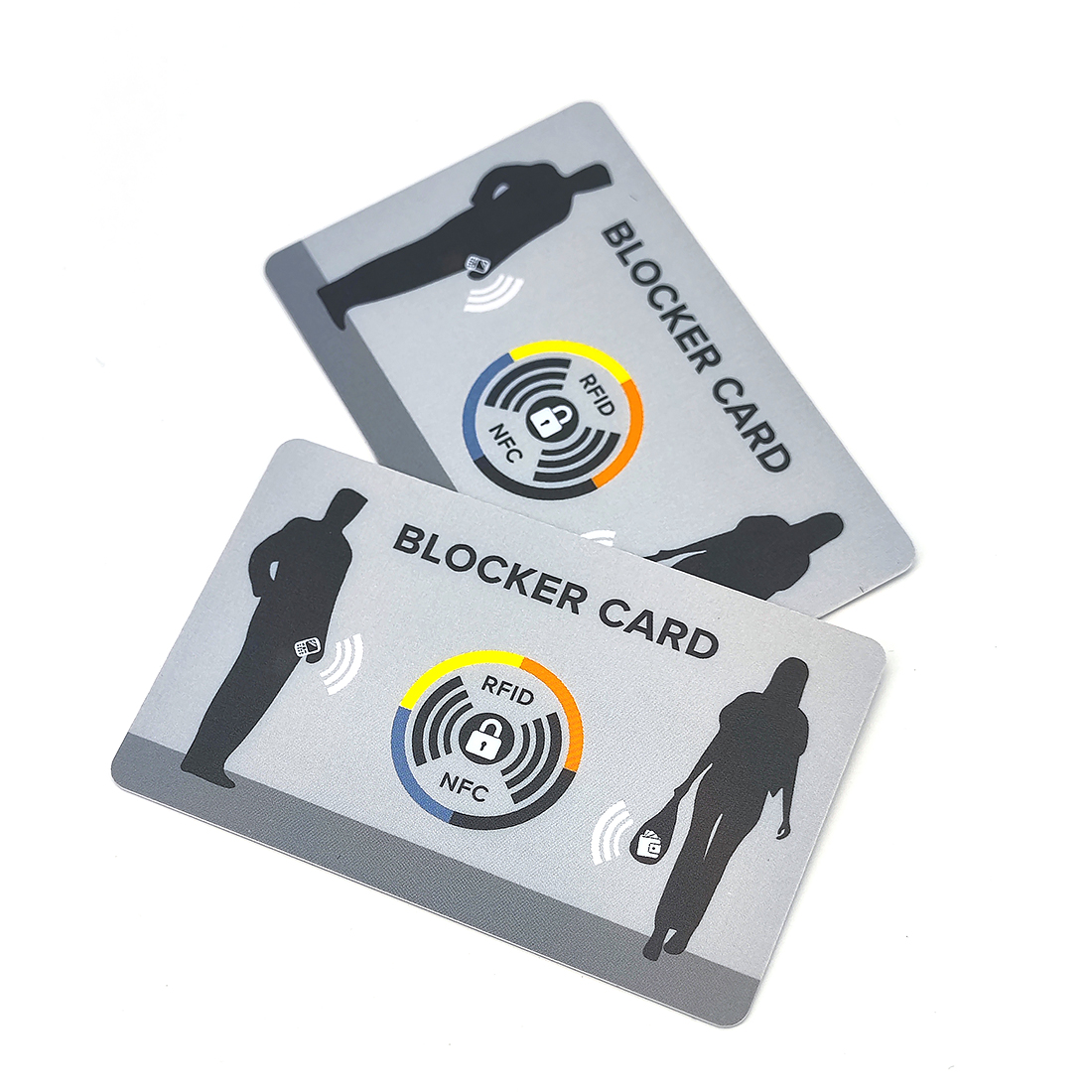
The flat format is the simplest. An RFID wallet blocking card matches the size of a bank card, so it slides into a slot and gets forgotten. Put it right next to the cards you want covered, and keep it away from any access card you still need to tap. A blocker cannot tell friend from foe. Some sellers sell the same item as a card reader blocker, so check the listing for the frequency it covers.
RFID Credit Card Sleeves and Blocking Wallets
A sleeve wraps one card in a thin shielded layer. It suits people who carry two or three cards and want each one covered on its own. Retailers can stock RFID credit card sleeves as a low cost add on beside wallets. Shielded wallets build the same idea into the lining, which is what wallet RFID blocking usually means. Shoppers often search for wallets that protect from RFID when they want one purchase to cover everything.
RFID Keyfobs and Access Cards
Keyfobs and access cards are the products that actually get read. A fob clips to a keyring, while a card slips into a wallet or lanyard holder. Both can run at 125kHz or 13.56MHz, so the installed reader decides the choice. Standard cards come in PVC or PET and can be printed with logos, photos, or barcodes. Quantities, casing, and numbering are worth confirming with the RFID Products Supplier early.
RFID Blocking Card vs. RFID Keyfob: Key Differences
These two products share a name but not a purpose. One hides data from readers. The other hands data to a reader on purpose. Mixing them up leads to wrong orders, especially for businesses buying in bulk for a building project. Shoppers who ask RFID blocking cards do they work are usually thinking about payment cards, while access buyers are thinking about doors and gates. The next two sections separate those worlds.
How RFID Blocking Cards Differ from RFID Access Cards
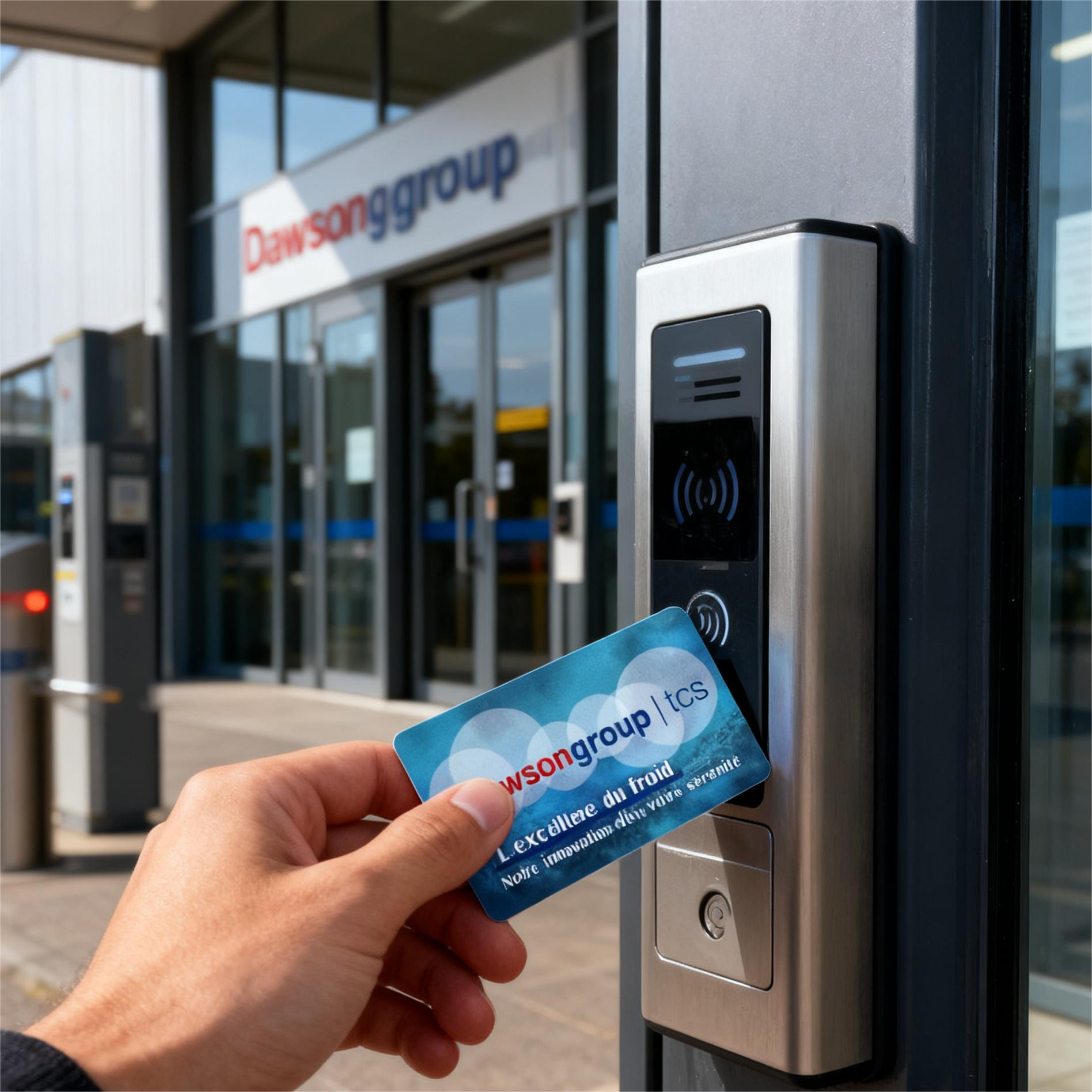
RFID access control cards carry a chip and antenna tuned to one reader system. They send a unique ID, and the controller decides whether to open the door. A blocking card carries nothing worth reading. Kept beside a working access card, it can stop that card from tapping in. When you buy either type, ask for the RFID card frequency and chip type of each item in writing.
When to Use RFID Keyfobs for Access Control
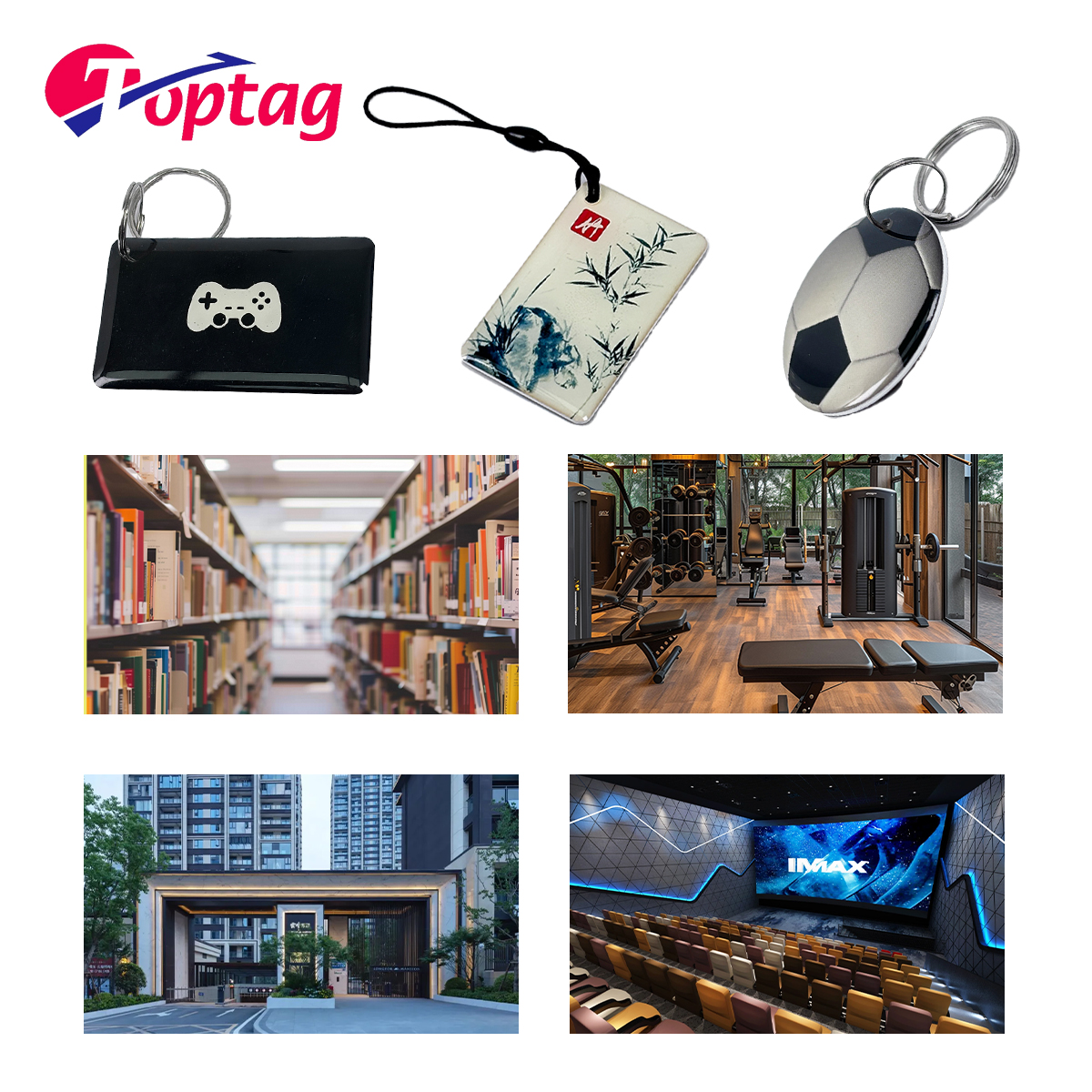
Fobs earn their place where cards get lost, bent, or left in jeans pockets. The hard case handles daily knocks. Gyms, storage units, and residential buildings use them often. A fob and a card can share one reader when frequency and protocol match. For RFID keyfob access projects, confirm the casing material and whether the fobs can be numbered or printed.
RFID Card Shapes, Designs & Compatibility
Shape and design look decorative, but they affect how a card sits in a reader, a wallet, or a holder. Compatibility is a separate matter. A reader only responds to cards that match its frequency and protocol, whatever the card looks like. Check RFID card reader compatibility first, then think about styling.
Standard Card Shapes and Diamond-Shaped Cards
Most cards follow the familiar credit card rectangle with rounded corners. That size fits wallets, holders, and printers. Some projects want something different, such as a diamond shaped card for a branded promotion or loyalty scheme. Ask which outlines are possible and whether the antenna still fits safely inside. Odd outlines can shorten read range.
Choosing the Right RFID Card for Your Reader
Start with the reader, not the card. Find out whether it reads 125kHz, 13.56MHz, or UHF, and which chip family it expects, such as Mifare Classic, NTAG, or DESFire. Phones use NFC card technology at 13.56MHz, so decide if your system should accept phones. Buyers who need rugged hardware sometimes search for NEMA cards RFID. NEMA ratings describe enclosures, so ask the RFID card supplier to state materials and durability limits plainly. Test any diamond shaped card on the real reader before a bulk order.
Do RFID Blocking Cards Really Work?
Sometimes, and it depends on the job. A decent blocker can stop a reader from picking up a nearby 13.56MHz card in a pocket or wallet. It will not shield cards stored elsewhere, and it does nothing against magnetic stripe copying. Banks run their own contactless limits and fraud checks, so a blocker adds modest RFID skimming protection, not a guarantee.
Treat RFID card protection as layers. Claims about the best RFID blocking cards deserve a sceptical read. Many reviews ask RFID blocking cards do they work and give a flat yes or no, which tells you little. A listing that says wallet RFID blocking without naming a frequency tells you even less.
How to Choose the Right RFID Protection Product
Ask practical questions instead. What are you protecting, how many cards, and what style will you carry? Anyone comparing the best RFID blocker card options can use these checks.
- Frequency and chip type of the cards you need to protect or read
- Style, since RFID wallets for men often come as slim bifolds
- Fit for your routine, such as an RFID blocking wallet for women in a card case
- Durability, including what a supplier means by NEMA cards RFID
- Quantities, branding, and sample availability for business orders
Read the spec, not the name, because a wallet defender label proves nothing on its own. If a wallet is the plan, look for wallets that protect from RFID and ask where the shielding sits. Compare RFID blocking products based on what the listing actually states. Choose an RFID blocking card protector only when the frequency is named.
Explore RFID Card and Keyfob Solutions from Switch Your Tags
The range covers blocking cards, standard cards, keyfobs, and options for custom outlines, so one conversation can cover most needs. Buyers who want Custom RFID cards can ask about materials, printing, and chip types. Ask for written specifications on any of the best RFID blocking cards you shortlist. Retailers, distributors, and integrators can also check quantities and RFID card solutions that suit their readers.
Sample requests are worth making with any RFID Products Supplier like us. Send your reader model, preferred frequency, and quantity to get a quote.
Frequently Asked Questions (FAQs)
1. Do RFID blocking cards actually work?
Often, at close range. Results vary by product, card, and reader, so a card reader blocker is an extra layer and not a guarantee.
2. What is the best RFID blocking card for a wallet?
The best RFID blocker card fits your wallet and states the frequency it covers. Keep it beside the cards you want covered.
3. Can RFID blocking cards protect contactless credit cards?
An RFID wallet blocking card can reduce reads of nearby 13.56MHz cards, which adds some Contactless card protection. It does not replace bank fraud controls.
4. What is the difference between an RFID blocking card and an RFID sleeve?
A sleeve wraps one card. A blocking card sits in the wallet and covers its neighbours.
5. What are RFID keyfobs used for?
Fobs open doors, gates, lockers, and parking barriers. A typical RFID keyfob access setup sends a unique ID to a compatible reader.
6. Are RFID blocking wallets for men and women different?
The shielding works the same way. Style is the main difference. RFID wallets for men often come as bifolds, and an RFID blocking wallet for women often arrives as a slim case.
7. How do I choose the right RFID card protector?
Match it to your card frequency, wallet size, and number of cards. Ask the seller for written specifications.