

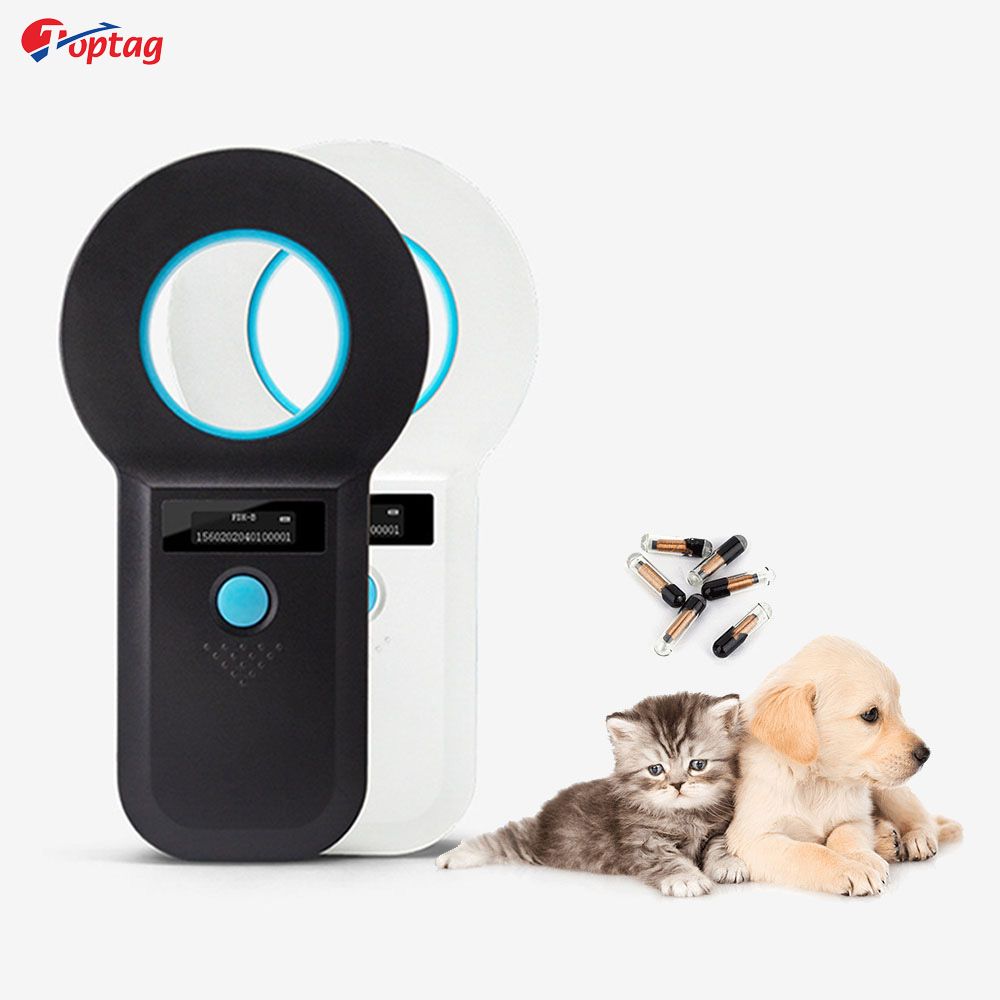
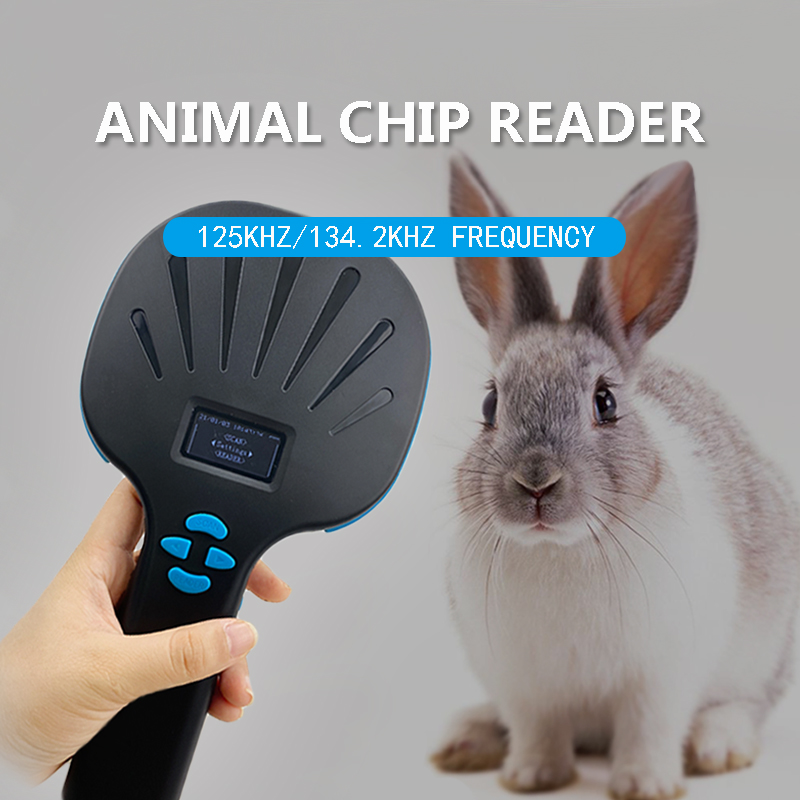
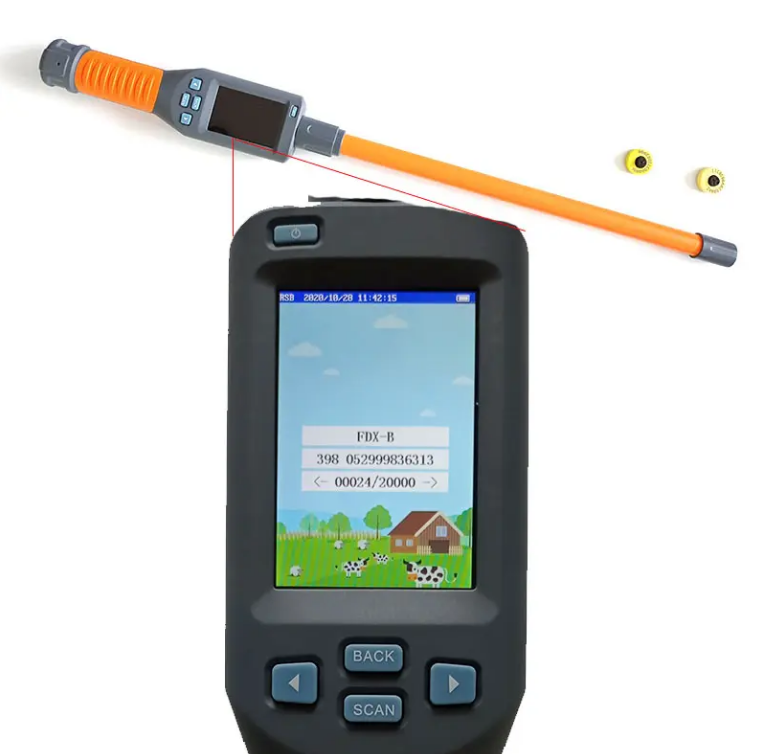
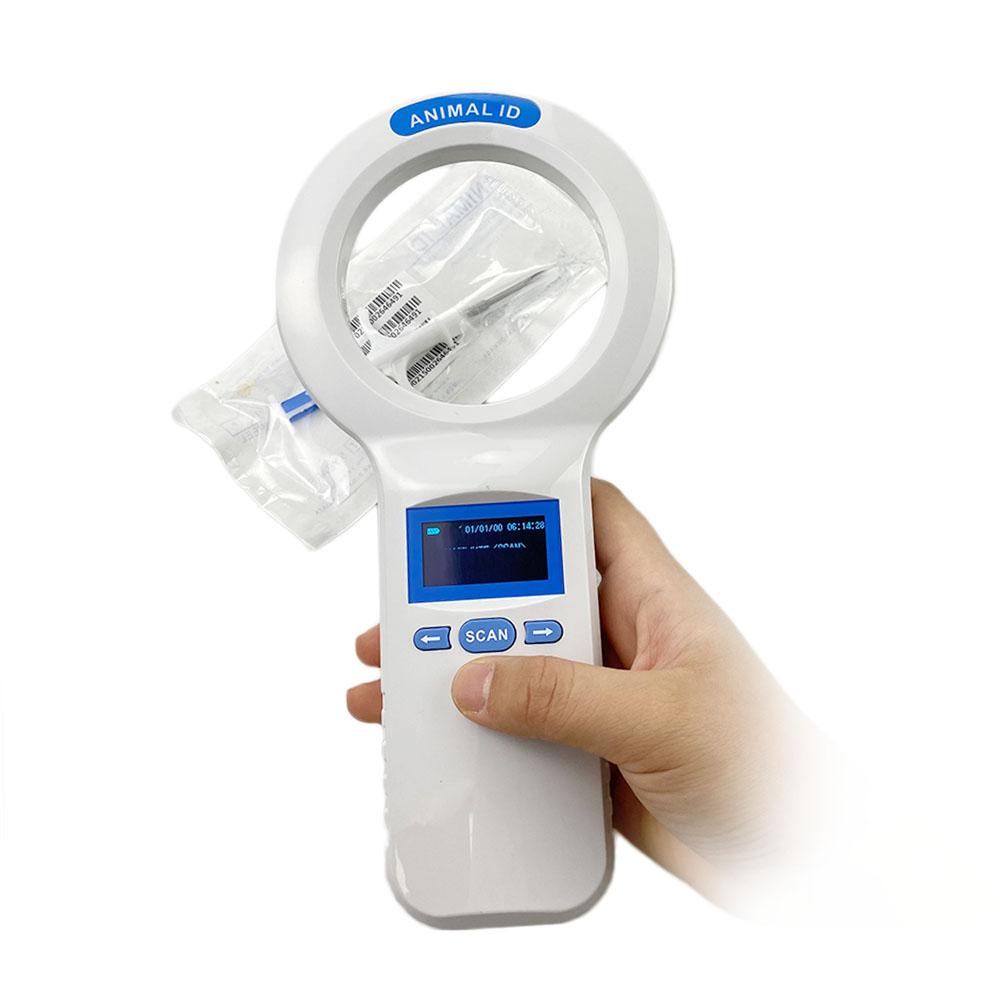
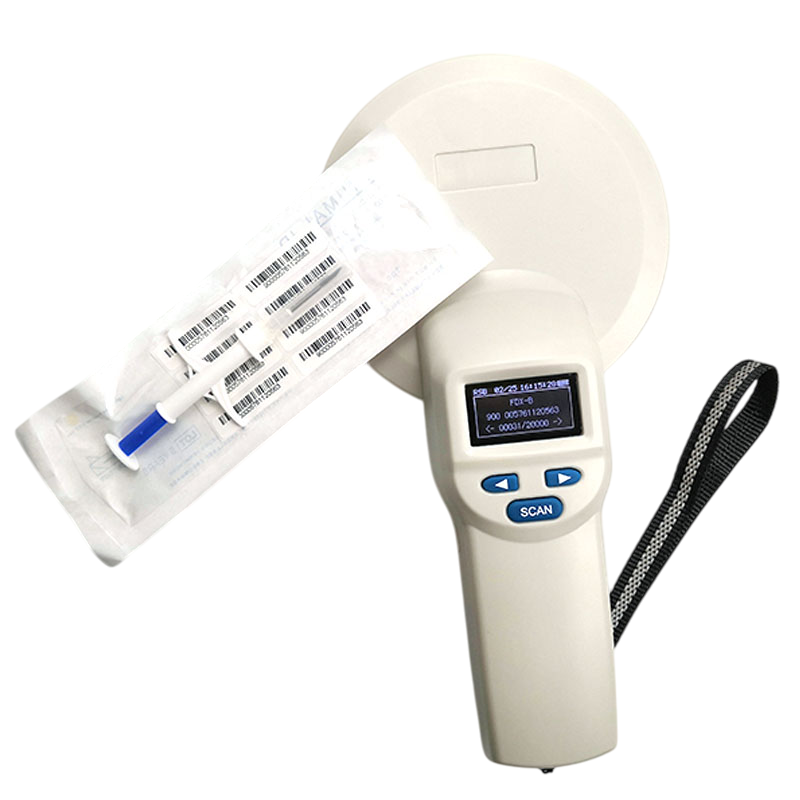
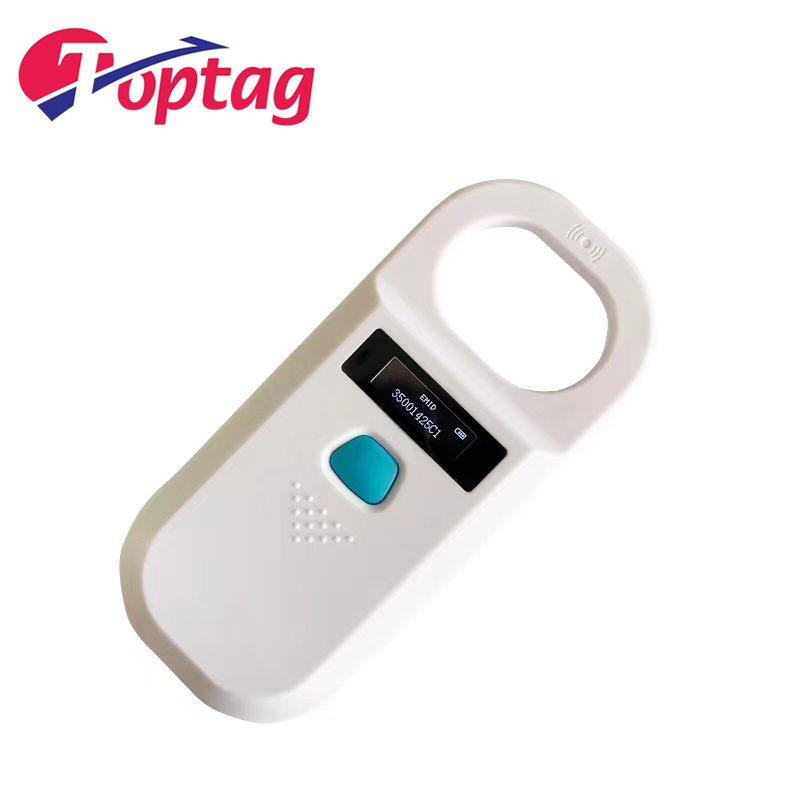
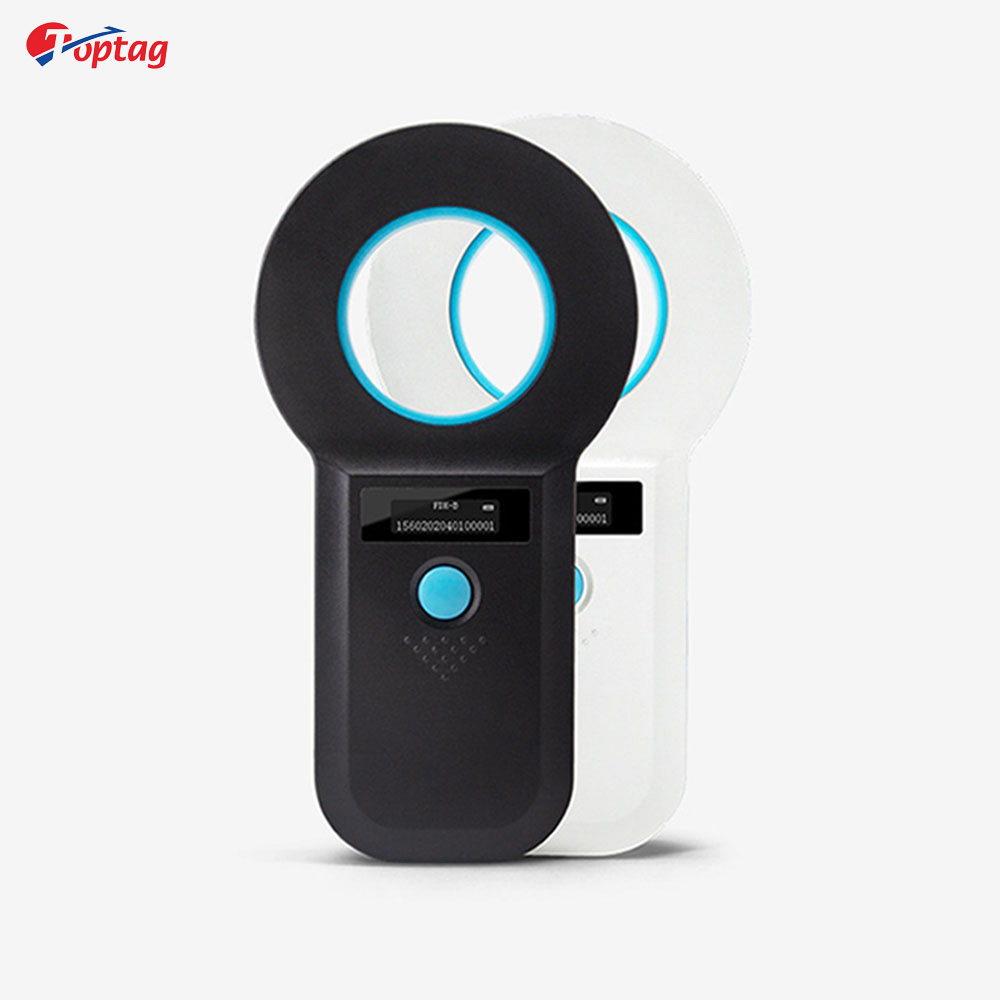
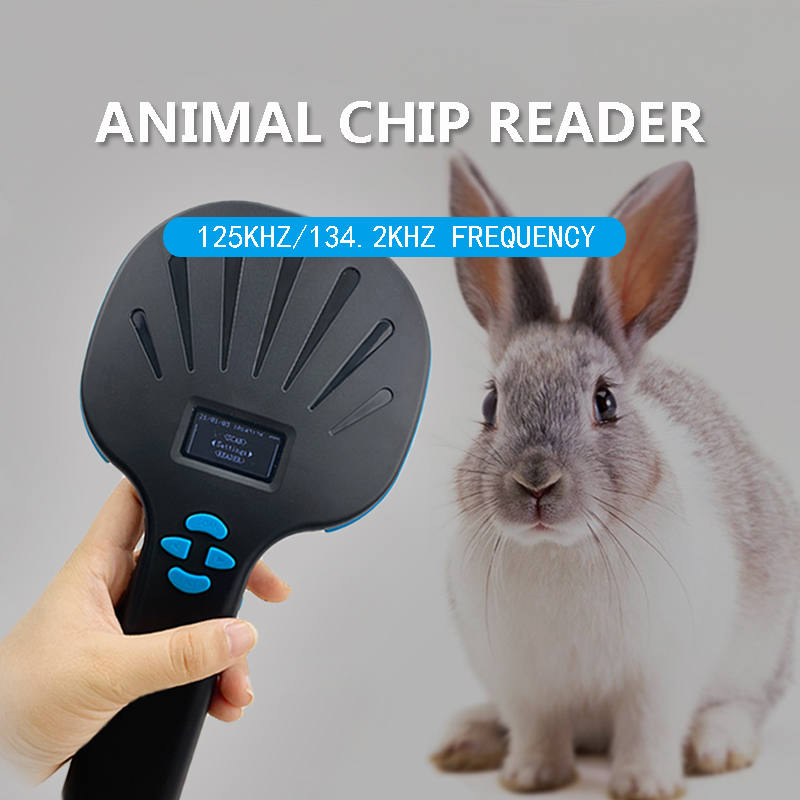
RFID Reader Modules for HF and UHF Applications
Choosing a module RFID setup starts with one question. How far must the reader reach the tag? Close reads at a counter suit HF hardware, while shelves, dock doors and conveyors need UHF. This page covers HF and UHF reader modules and fixed readers, then lists the specifications to check before you order, including antenna type, interface and tag match.
Explore Our RFID Reader Module Range
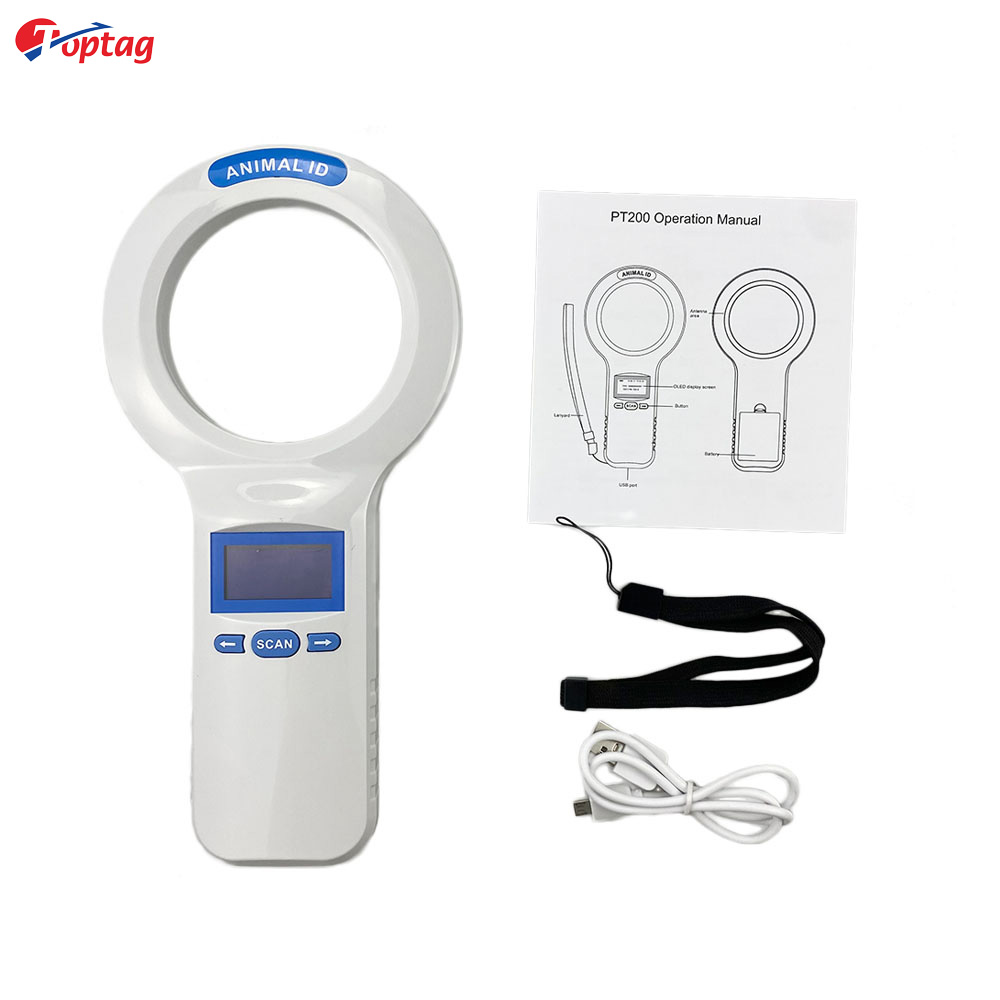
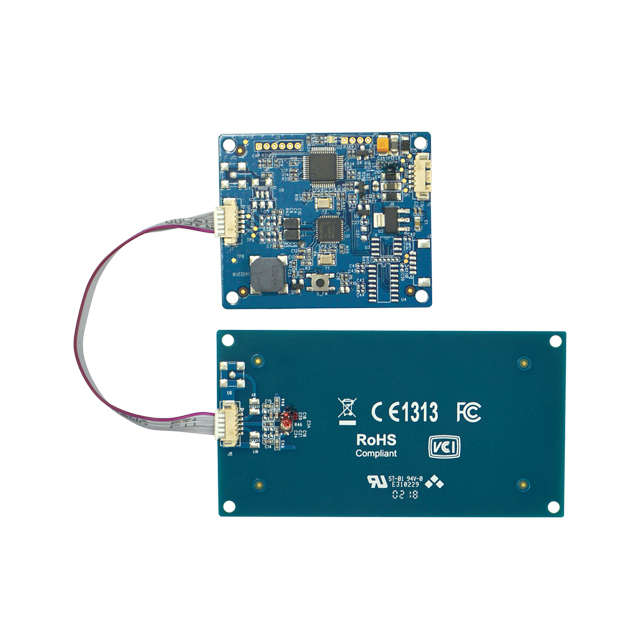
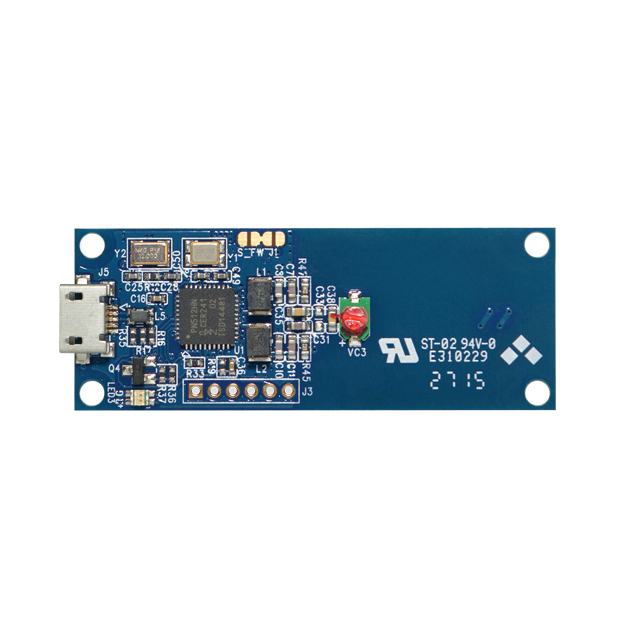
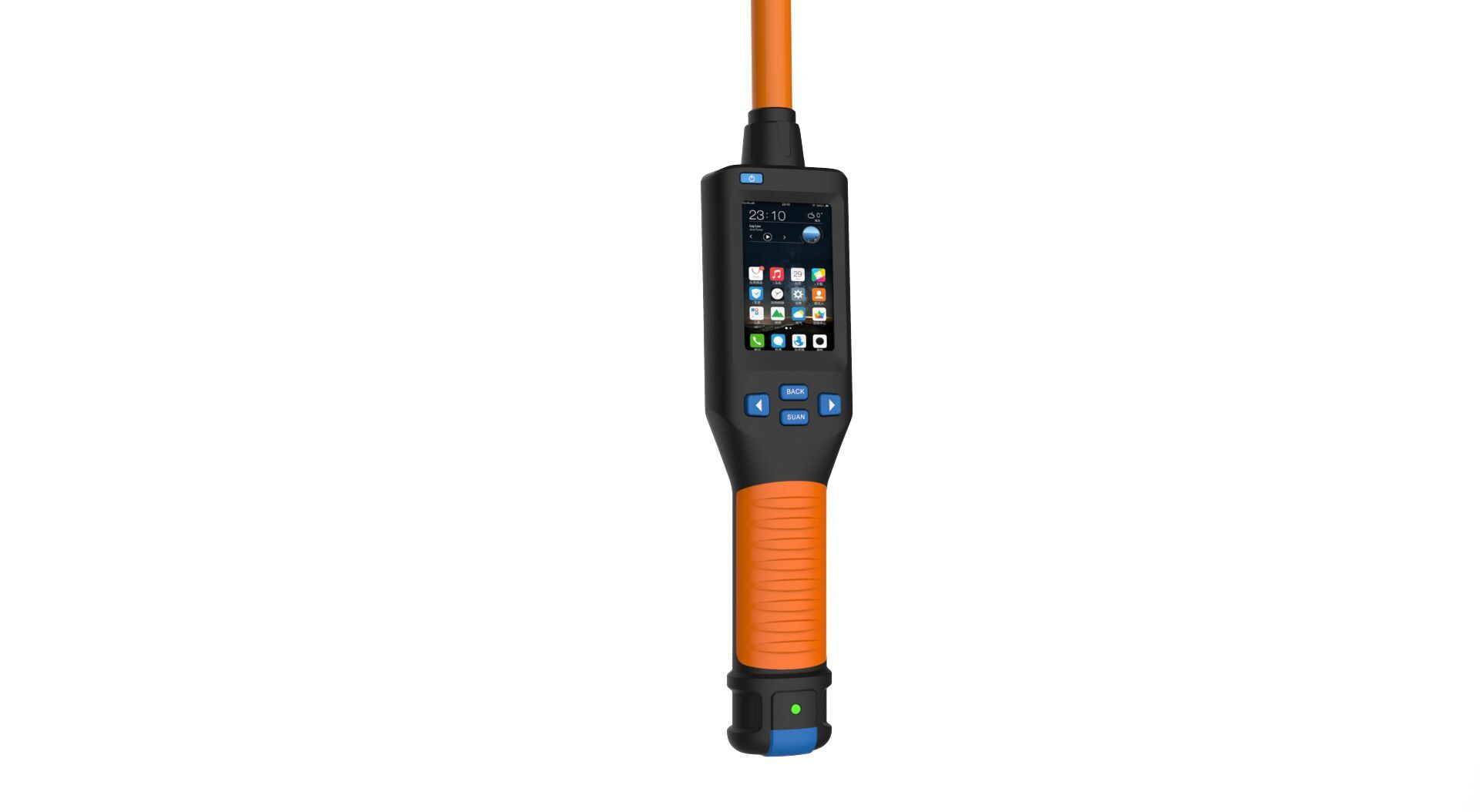
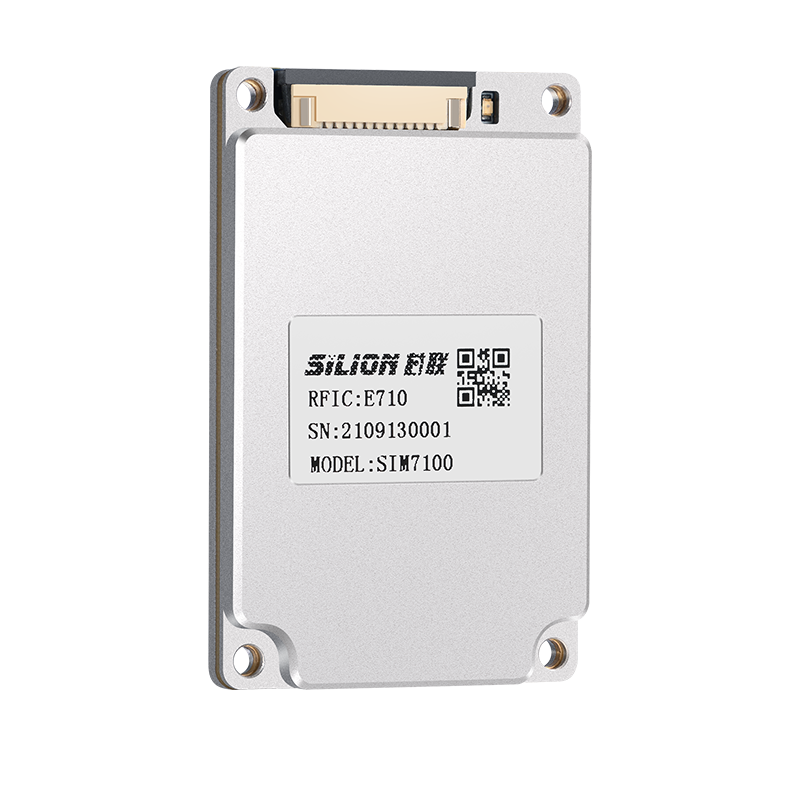
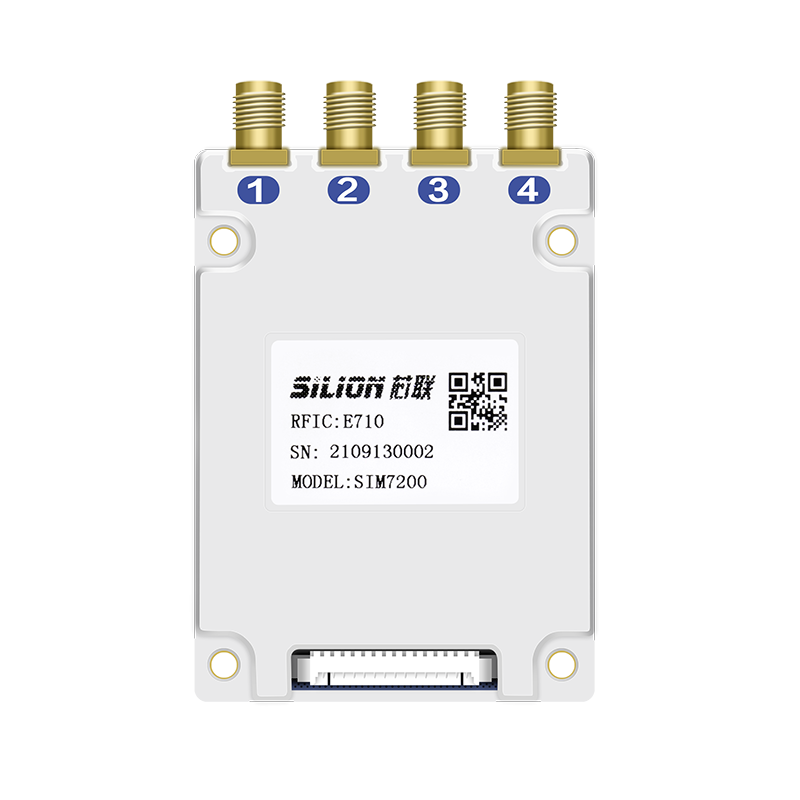
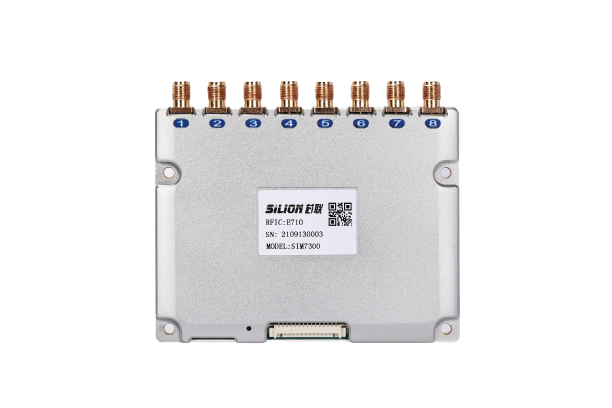
Our RFID hardware module range covers close contact identification and longer reach tracking. Each product family fits a different job, so sort your project by distance first. The groups below show where each type belongs, and later sections explain the details buyers compare. Models differ within every group, so confirm the exact specifications on each product listing before you order.
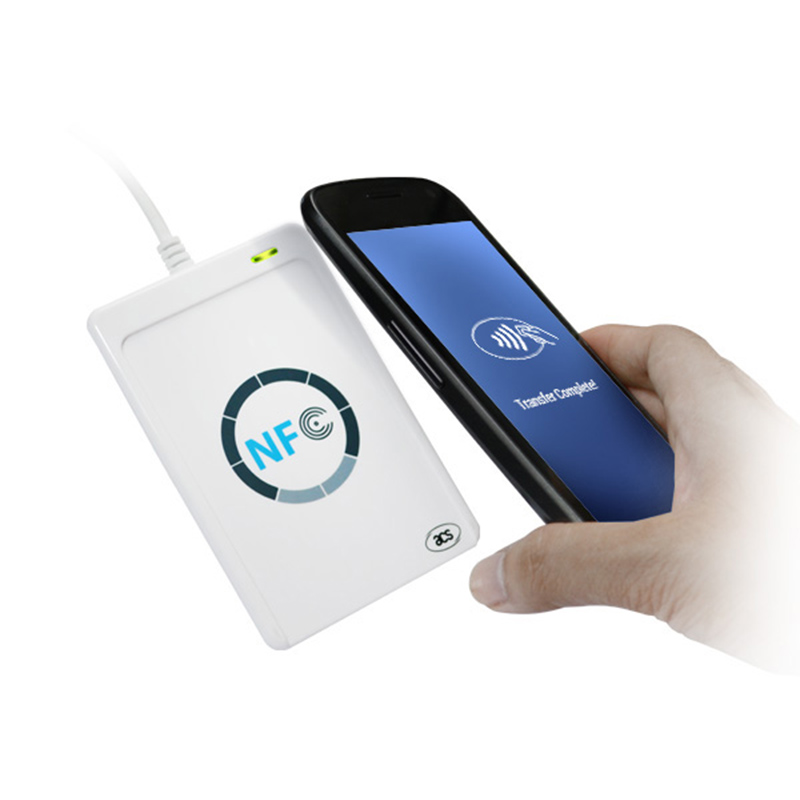
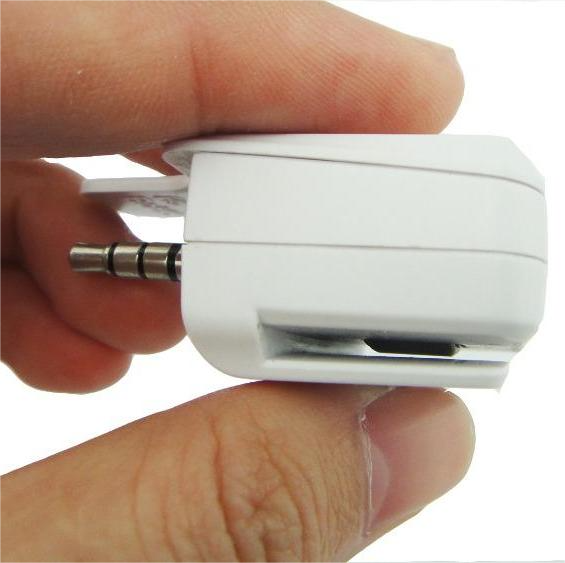
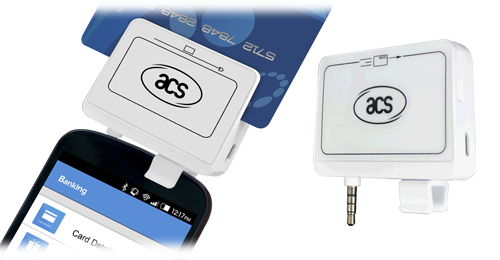
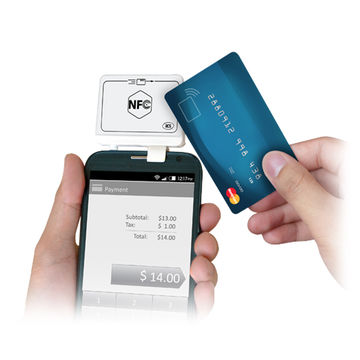
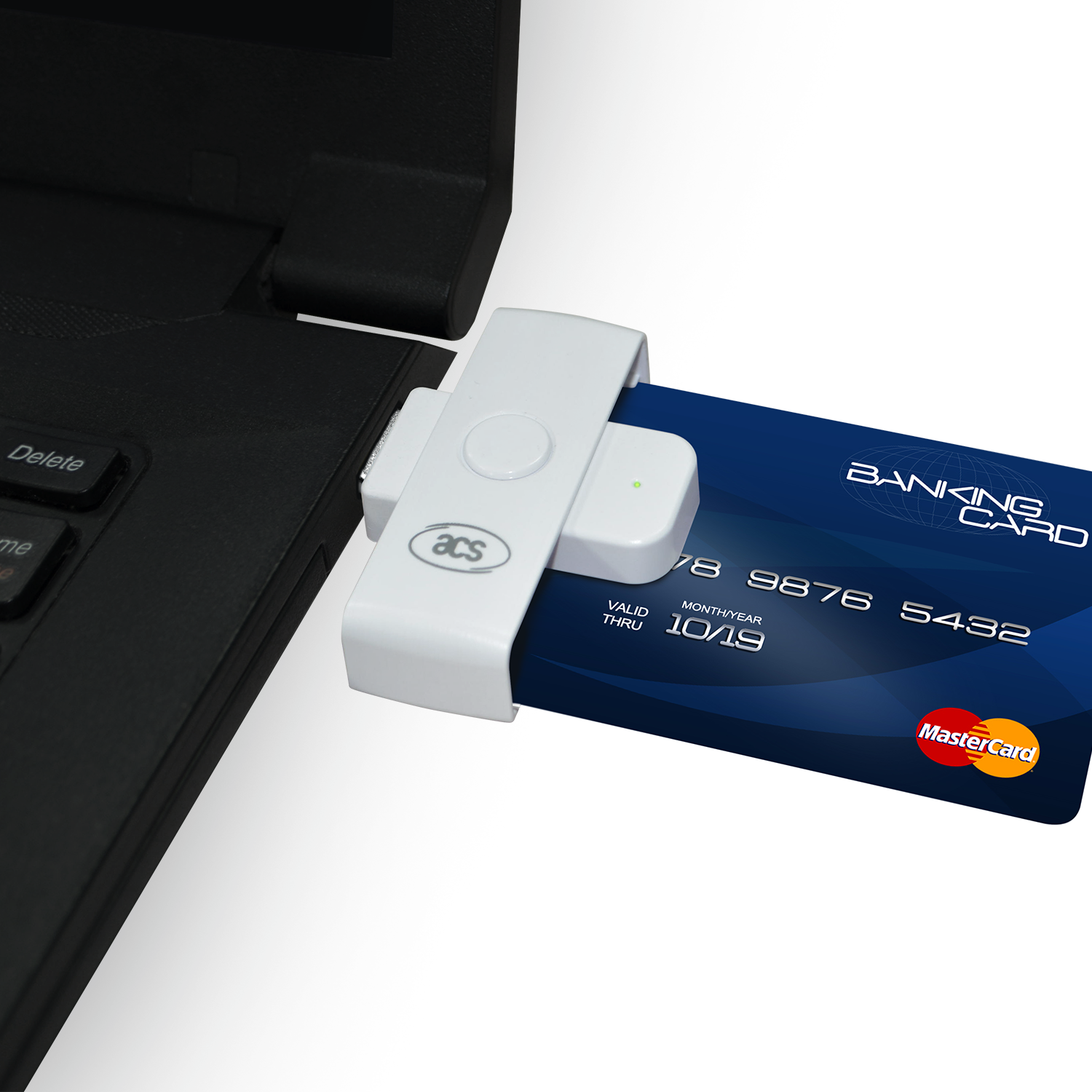
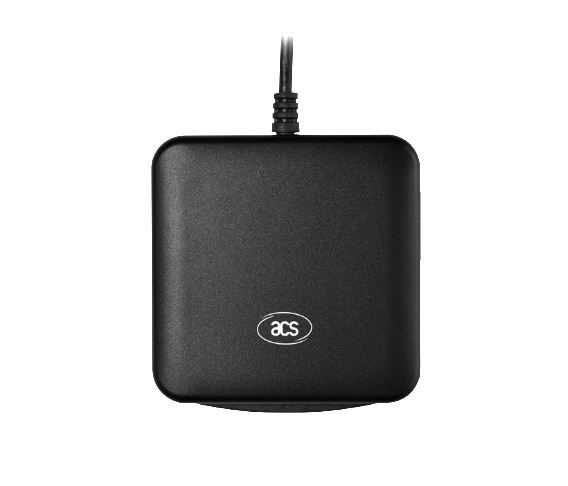
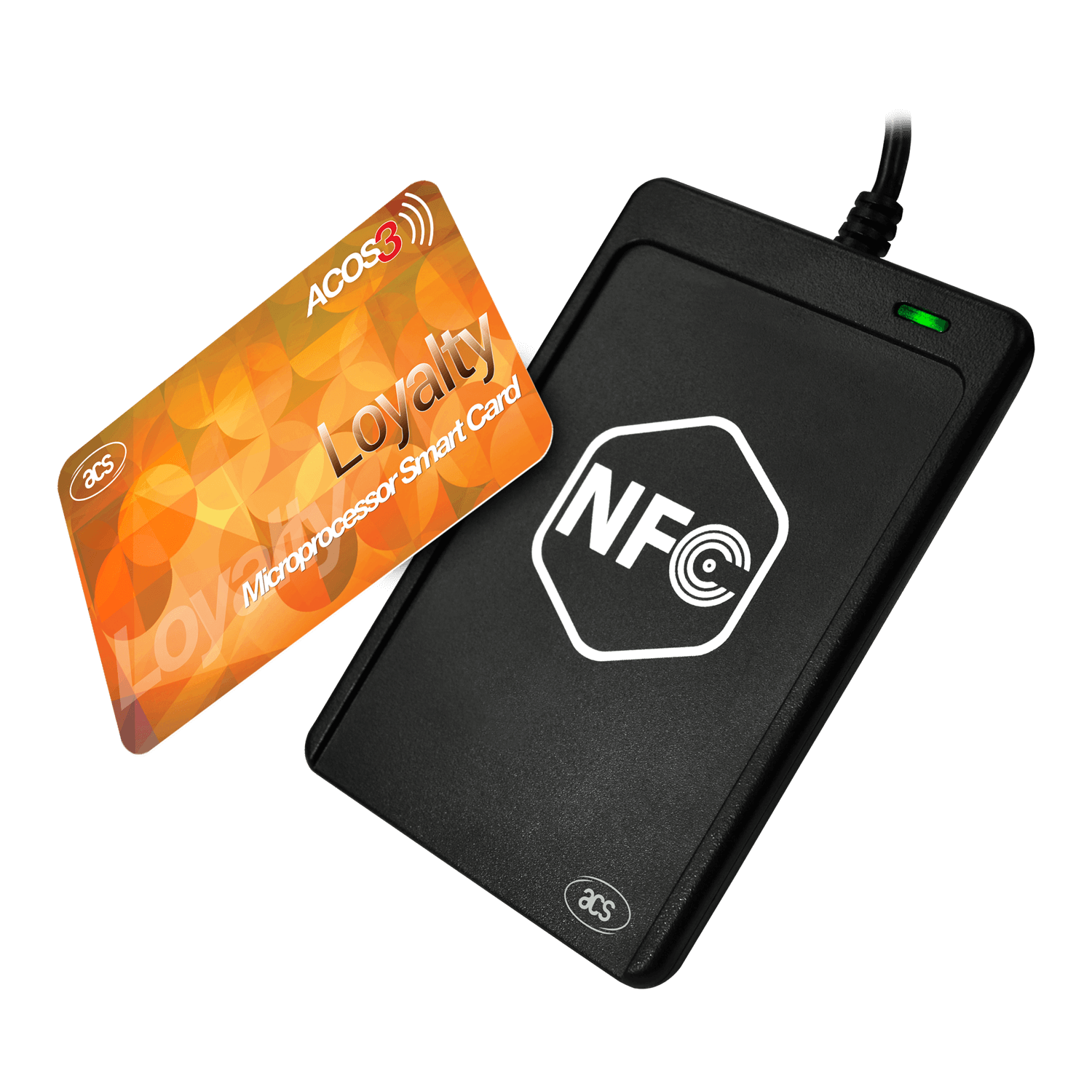
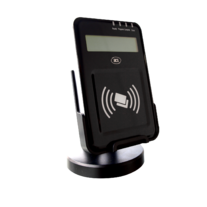
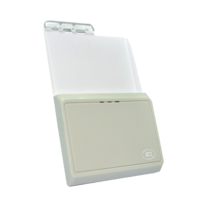
HF RFID Reader Modules for short range card and NFC reading.
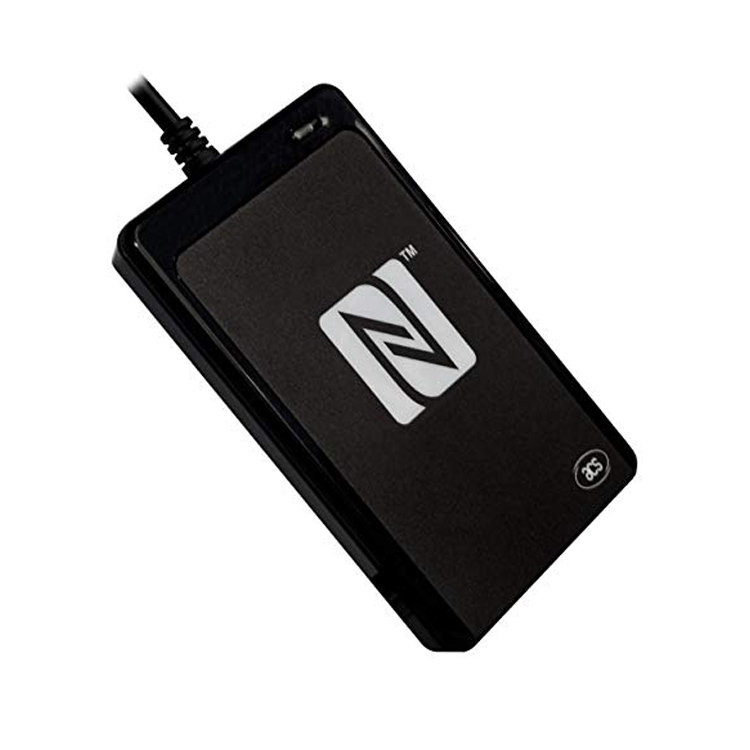
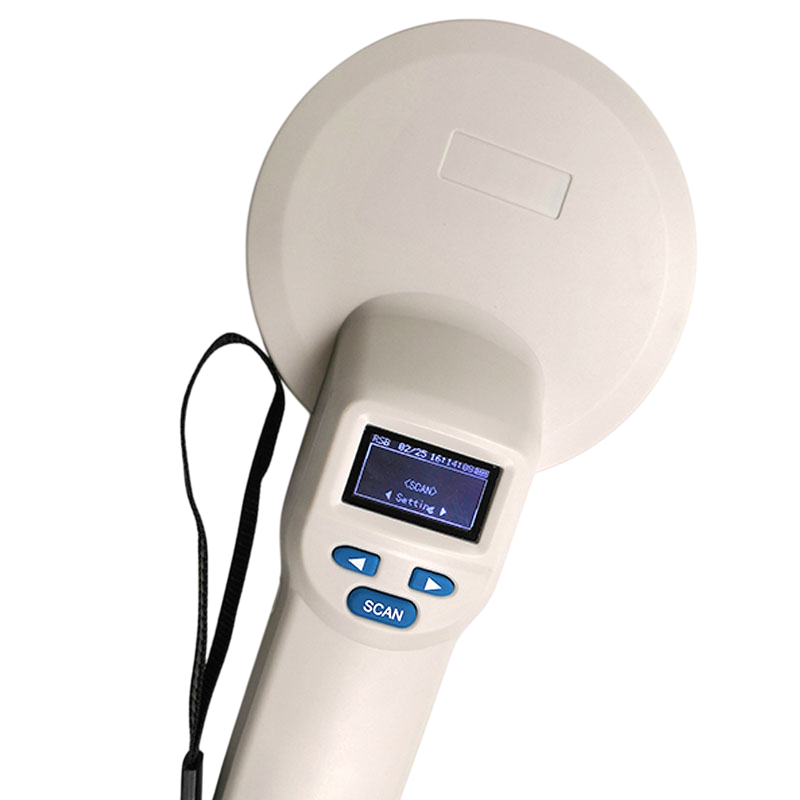
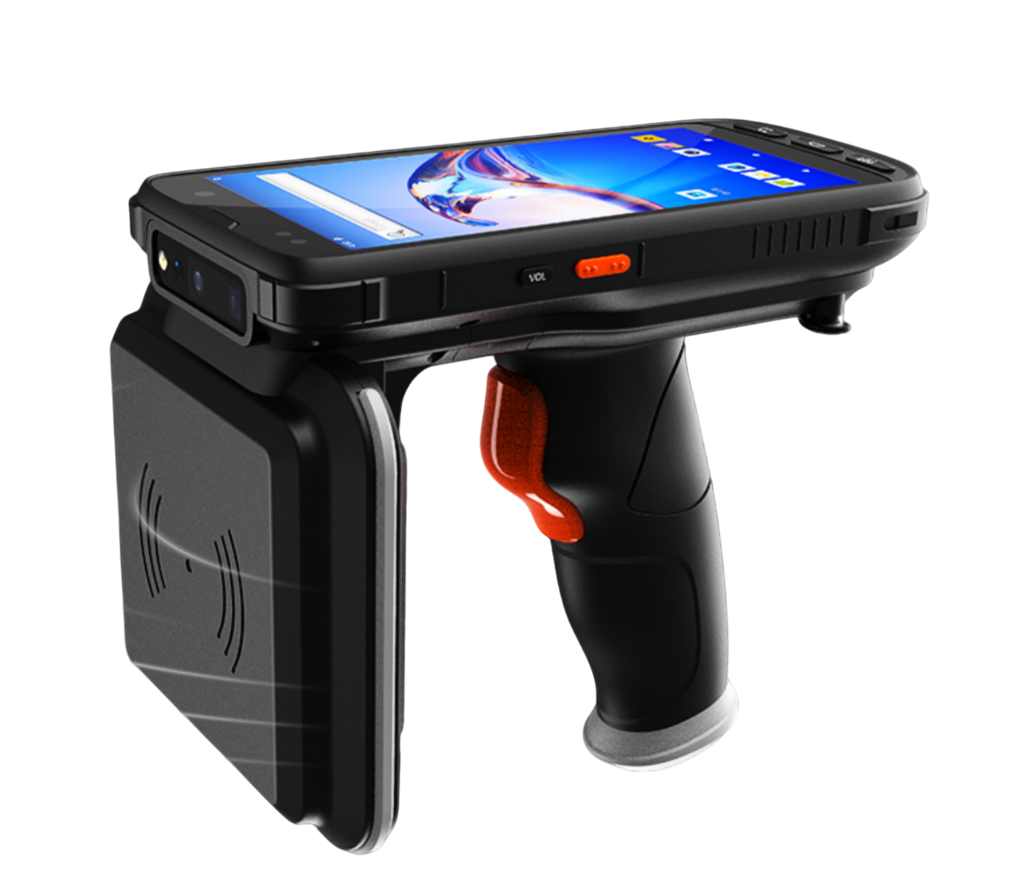
UHF RFID Reader Modules for longer reads.
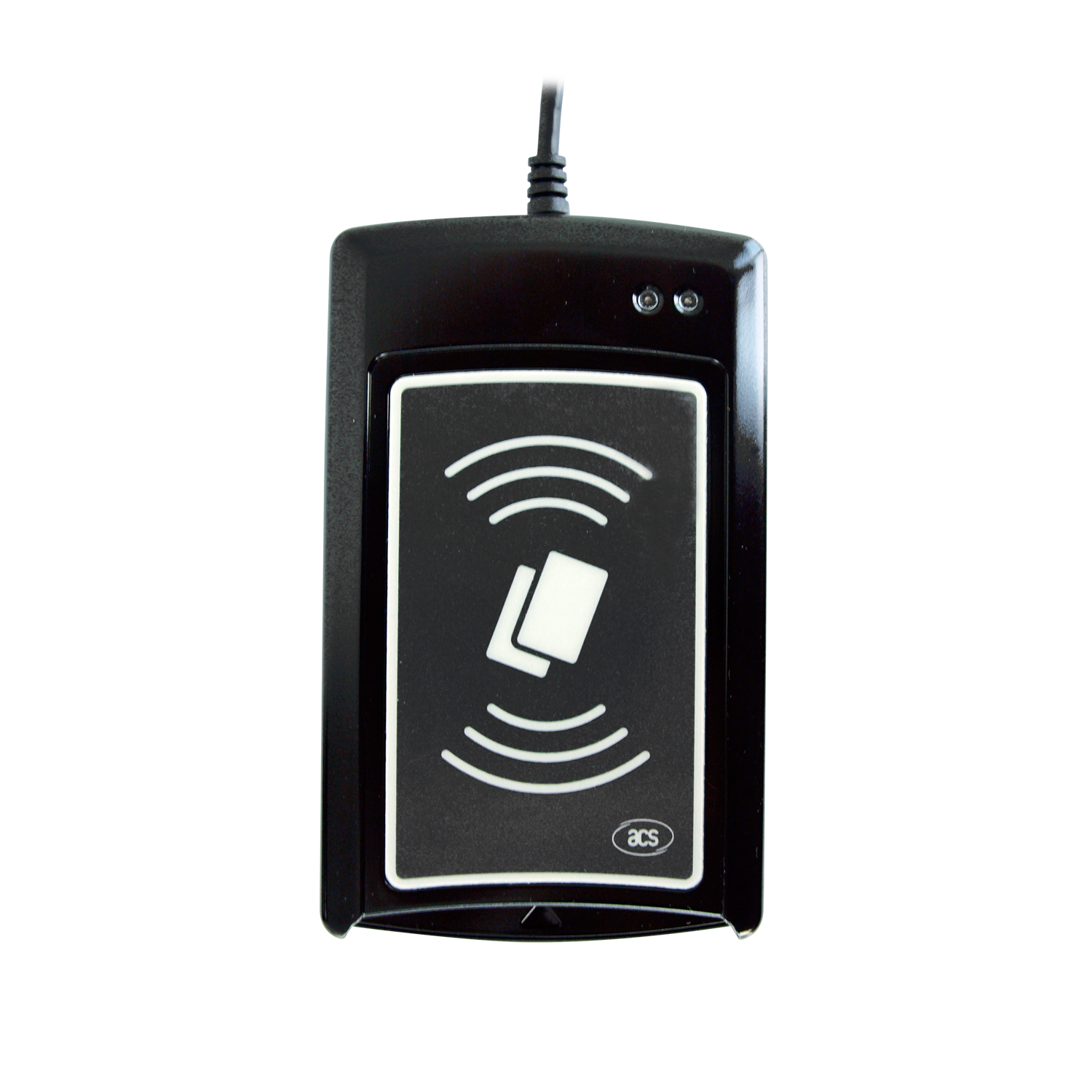
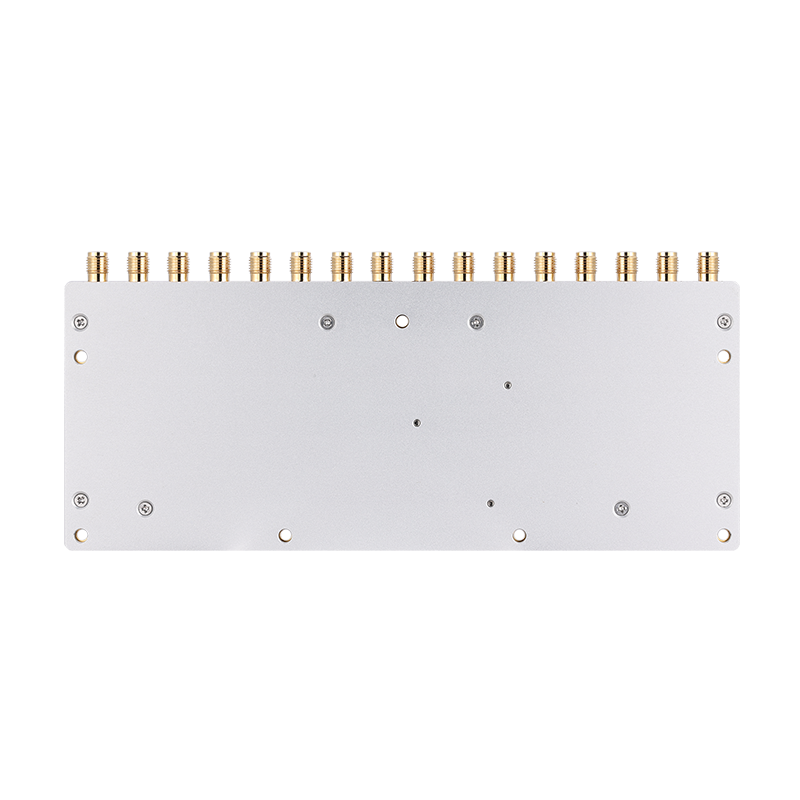
Fixed UHF RFID Readers for permanent mounting.
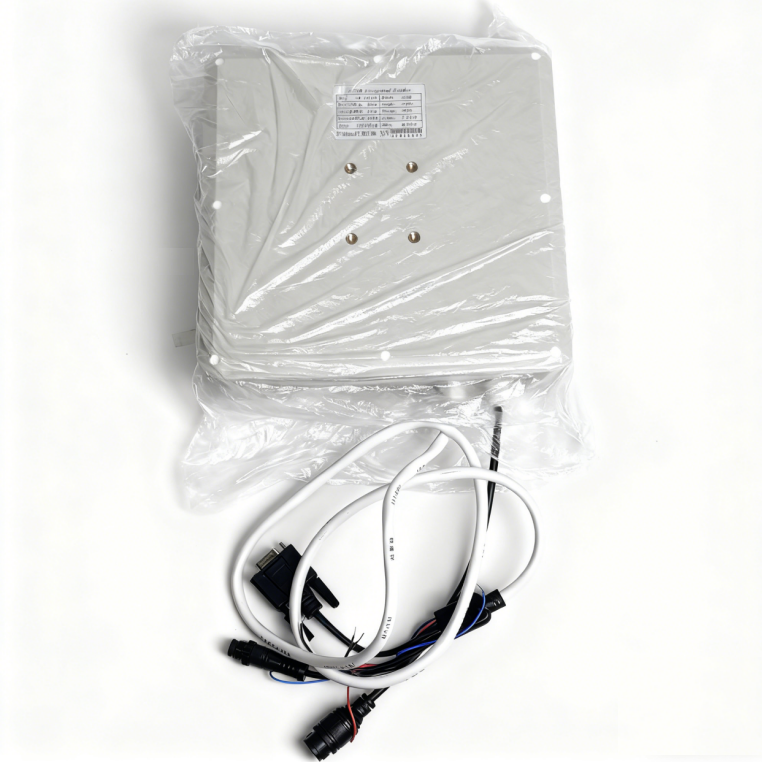
Long-Range RFID Reader Solutions beyond any HF RFID reader long range option.
HF RFID Reader Modules for Short-Range Identification
An HF RFID reader module runs at 13.56 MHz and is built for close contact reads. It suits access points, kiosks and desktop readers where a person presents the tag by hand. The small field keeps reads predictable and reduces stray pickups from nearby tags. The sections below cover key features, read range and common uses of this reader type.
Key Features of an HF RFID Reader
An HF RFID reader offers a short list of traits that integrators check first.
It runs on the HF RFID frequency of 13.56 MHz, used by most card and NFC tags.
It supports ISO 14443 and NFC tags and separates several cards in range.
Its compact body and low power draw suit embedded designs, with USB or serial ports.
Understanding HF RFID Read Range
The typical HF RFID read range is 2 to 10 cm, so the tag must be held close to the reader. Antenna size and nearby metal both change the result. Anyone seeking an HF RFID reader long range model should know that an HF reader RFID unit is built for proximity. For reads from a meter or more, UHF fits better.
Applications of HF RFID Readers
Short range hardware suits jobs where a person presents the tag, and an HF reader RFID design is common in these settings.
Access control readers at doors and turnstiles read staff cards.
Kiosks and service counters use contactless card and NFC reading.
Desktop stations encode cards and wristbands, and an embedded RFID reader can sit inside a machine.
UHF RFID Reader Modules for Long-Range Applications
A UHF RFID reader module works in the 860 to 960 MHz band and reads tags across an RFID reading distance of several meters. This UHF RFID frequency range also supports bulk reading, which is why warehouse teams choose it. The sections below cover the main benefits, how to shop for a low cost module, and where UHF fits daily work.
Benefits of a UHF RFID Reader Module
A UHF RFID module gives buyers reach and speed that close range readers cannot match.
Tags can be read from several meters away, so items need not be handled one by one.
Bulk reading captures many tags in a single pass, which shortens counting time.
An external RFID antenna can suit the layout, such as a doorway or a shelf.
How to Choose a Cheap UHF RFID Reader Module
Price should be the last filter, not the first. Start with tag type, read distance and the interface your host needs, then compare each module RFID option that passes. A cheap UHF RFID reader module can serve well when its specifications match your use, so check antenna connections and support. Ask for a sample to test with your own tags.
Applications in Inventory, Warehousing and Asset Tracking
UHF hardware earns its place where many items must be identified quickly.
Inventory teams use an RFID reader for inventory tracking to count tagged cartons without opening them.
Warehouse identification relies on readers at dock doors to log goods entering or leaving.
Asset tracking tags equipment, and an RFID reader for asset tracking records its movement between rooms or sites.
Fixed UHF RFID Readers for Automated Tracking
A fixed UHF RFID reader stays mounted in one place and reads tags as they pass, so nobody needs to hold a scanner. It connects to external antennas and sends tag data to your software or controller. The sections below explain how it works, how to select one, and where this fixed RFID reader style proves useful on industrial sites.
How a Fixed UHF RFID Reader Works
The reader powers its antennas, which send out radio energy in the UHF band. Tags in the field answer with their stored identity, and a UHF RFID fixed reader collects those replies in bulk. It then passes the data to your software through an Ethernet network or industrial data link. Because the unit stays mounted, it can run around the clock at a doorway.
Choosing the Right UHF Fixed Reader
Begin with the number of RFID antenna ports you need, since each port can cover one zone. Check the interface against your controller, and confirm any industrial RFID reader housing suits dust or vibration. A UHF fixed reader paired with long range antennas helps where tags move at line speed. Confirm RFID tag compatibility with your RFID tag supplier before you buy.
Fixed Reader Applications in Industrial Environments
An industrial RFID reader earns its keep where tags move past a fixed point without stopping.
Conveyor lines read several tags at line speed to confirm each load.
Dock doors and gates use a UHF RFID fixed reader to log pallets.
The factory stations have an RFID reader for automation, in which every component is tracked while moving from one process to another.
HF RFID Reader vs. UHF RFID Reader Module
The simplest way to separate these products is by distance and tag type. HF suits close reads, while UHF suits reach and volume, and permanent installations call for a UHF fixed reader. The table sets the main differences side by side. Use it as a first screen, then check each product listing for exact figures before you place an order.
| Factor | HF RFID Reader | UHF RFID Reader Module |
|---|---|---|
| Operating Frequency | Operates at 13.56 MHz | Operates between 860 and 960 MHz |
| Reading Range | Reads tags within 2 to 10 cm | Reads tags from several meters away |
| Tag Compatibility | Supports ISO 14443 and NFC tags | Supports bulk reading of UHF tags |
| Common Applications | Suitable for access control and self-service kiosks | Ideal for inventory management, warehousing, and asset tracking |
How to Choose the Right Switch Your Tags?
Picking a module RFID unit between HF and UHF comes down to five checks. Work through them in order, because the first answer often settles the rest. Write down your tag type, distance, mounting site, host system and budget before you speak with a supplier or request samples. That list makes quotes easier to compare and shortens testing.
Required RFID frequency and compatible tags. Match the HF RFID frequency of 13.56 MHz or the UHF RFID frequency of 860 to 960 MHz, because RFID tag compatibility follows chip type.
Required read range. Measure the RFID reading distance your site needs, including for an RFID reader for asset tracking.
Antenna and connectivity requirements. Confirm antenna fit and the RFID reader interface your controller accepts.
Installation environment. Note dust, metal and heat, plus mounting space for a fixed RFID reader.
Budget and integration requirements. Weigh a cheap UHF RFID reader module against the software effort of an RFID reader for automation needs.
Every project has its own mix of distance, tag type and mounting needs, and the hardware follows from those facts. Browse the RFID reader modules at Switch Your Tags, compare HF, UHF and fixed options, and send your requirements, including tag details from your, RFID tag supplier for model guidance. Request a quote and test a sample before you scale.
Frequently Asked Questions
Q: What is an RFID reader module?
An RFID reader module is a compact RFID hardware module that reads tags, often serving as an embedded RFID reader in kiosks and controllers.
Q: What is the difference between an HF RFID reader and a UHF RFID reader?
HF reads at about 2 to 10 cm at 13.56 MHz. UHF reads from several meters at 860 to 960 MHz and handles many tags.
Q: What affects HF RFID read range?
Antenna size, tag size, tag quality and nearby metal all change how far an HF reader RFID reads. Test with your own tags.
Q: How do I choose a long-range RFID reader?
An HF RFID reader long range request usually points to UHF. Check antenna options, power limits, RFID reader interface and tag type, then test a sample.
Q: What is a fixed UHF RFID reader used for?
A UHF RFID fixed reader sits at a doorway or conveyor and reads passing tags, working as an RFID reader for inventory tracking without handheld scanning.
Q: How can I select an affordable UHF RFID reader module?
Define tag type, distance and interface, then compare each UHF RFID module. Ask for a sample and check support before buying.